General Approach
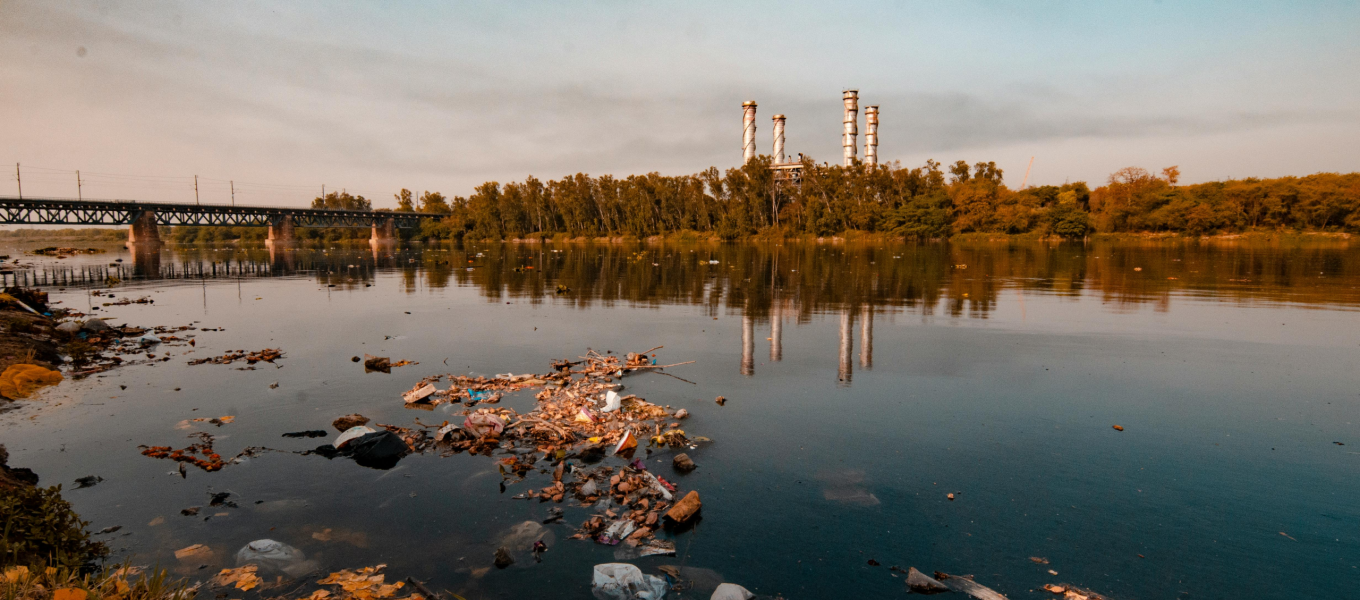
Alluvial pollution (sudden high-concentration contamination) treatment follows a four-stage progressive strategy: Emergency Response → Pollution Interception → Enhanced Treatment → Ecological Restoration.
Core Technical Routes
① Interception, Storage & Equalization + Emergency Basin: Peak inflow is diverted to equalization basins for buffering and homogenization, reducing alluvial load intensity. Applicable to WWTP influent, combined sewer overflow outlets, and industrial wastewater emergency scenarios.
② Online Chemical Dosing Emergency Response (PAC/PAM): Chemical coagulation rapidly removes SS, COD, and certain heavy metals. Suitable for emergency treatment of non-compliant influent and rapid containment of alluvial pollution plumes in rivers.
③ Activated Carbon Adsorption: Powdered activated carbon (PAC) or granular activated carbon (GAC) removes toxic organics and odor-causing substances. Applicable to sudden alluvial pollution incidents at drinking water sources and high-toxicity organic alluvial loads.
④ Biological System Protection (Return Dilution + Load Reduction): Increase sludge return ratio, reduce influent volume, and supplement nutrients to maintain biological system activity. Used to protect activated sludge from collapse during alluvial pollution events.
⑤ Overflow Pollution Control (LID + Storage): Source-area sponge facilities detain rainwater combined with end-of-pipe storage tanks capturing initial runoff. Applicable to urban non-point source alluvial pollution and CSO pollution control.
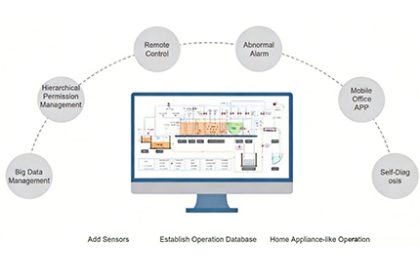
⑥ Pollution Flux Monitoring & Early Warning: Online water quality instrumentation (COD, ammonia nitrogen, flow rate) provides real-time monitoring. Exceedances trigger automatic valve shutoff or bypass switching. Applicable to industrial park discharge outlets and influent pipeline alluvial pollution warning systems.
Key Considerations
Alluvial pollution is characterized by sudden onset, short duration, and concentrated impact. Relying solely on post-event treatment makes compliance difficult. A comprehensive prevention and control system integrating “Source Control + Process Early Warning + End-of-Pipe Enhancement” is recommended.
Equalization basin volume should be designed based on 2–6 hours of dry-weather flow. The biological system requires graded emergency protection protocols. The core principle lies in “trading space for time” — using storage for peak shaving and early warning to secure an operational response window.