General Approach
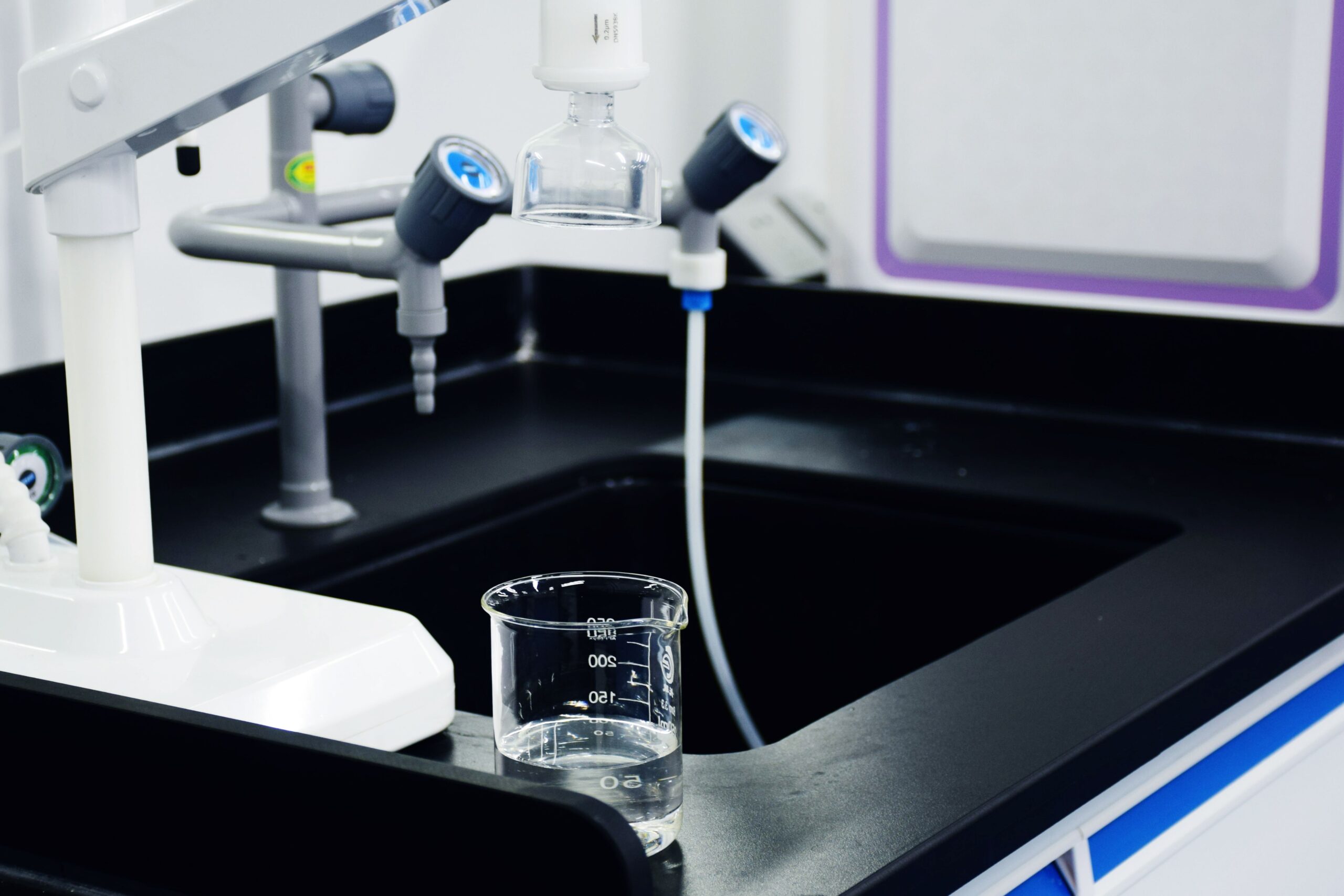
Municipal water supply treatment follows a full-process assurance strategy of “Raw Water Allocation → Conventional Treatment → Advanced Treatment → Safe Disinfection → Distribution & Delivery.” Through synergistic integration of physical, chemical, and biological processes, suspended solids, colloids, dissolved organic matter, pathogenic microorganisms, and trace pollutants are removed from raw water, ensuring finished water meets all indicator requirements of the Standards for Drinking Water Quality (GB 5749).
Core Technical Routes
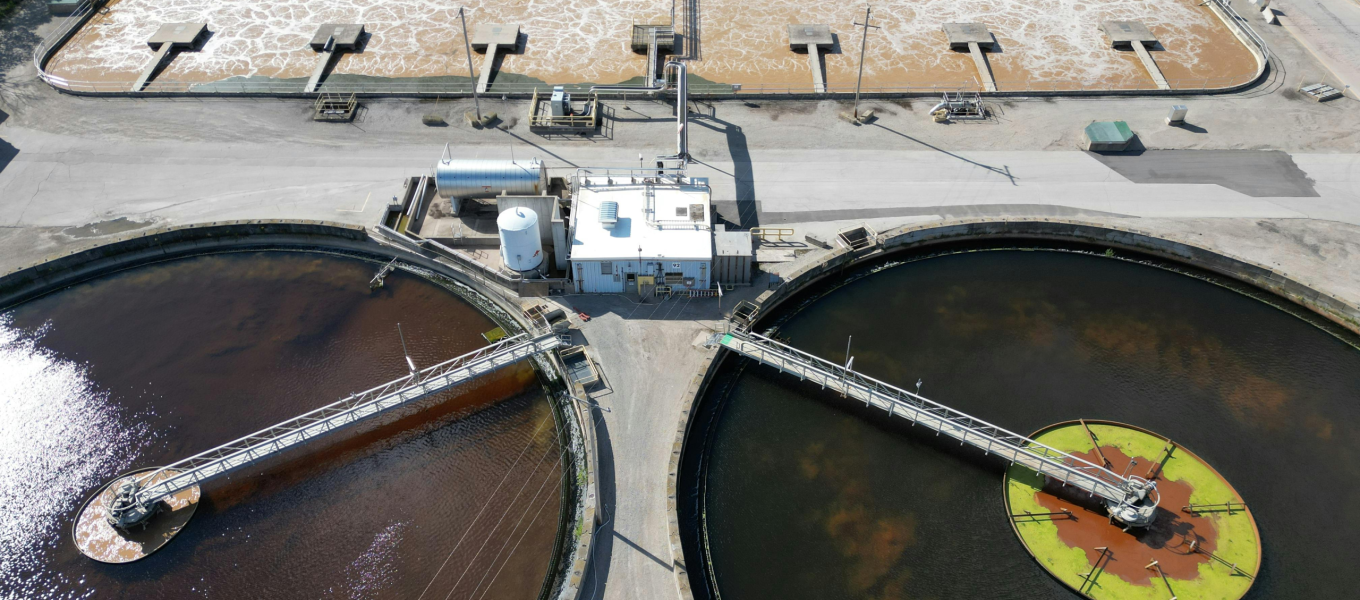
① Pre-Oxidation + Coagulation & Sedimentation: Pre-chlorination or potassium permanganate oxidation of raw water targets algae and organic matter. Coagulants such as polyaluminum chloride (PAC) or aluminum sulfate enable flocculation and sedimentation to remove turbidity and partial organic content. Applicable to conventional treatment processes for surface water sources.
② Conventional Filtration + Ozone-Activated Carbon Advanced Treatment: Quartz sand or manganese sand filters retain suspended solids. Ozone oxidation degrades organic matter. Activated carbon adsorption removes trace organics and taste-and-odor compounds. Applicable to water plants treating micro-polluted source water (ammonia nitrogen, organics, algae) or sources with significant quality fluctuations.
③ Membrane Technology Advanced Treatment (UF + RO / NF): Ultrafiltration removes bacteria, viruses, and macromolecular organics. Nanofiltration and reverse osmosis retain hardness, sulfates, and trace organics. Applicable to high-standard drinking water treatment, brackish water desalination, and source water upgrade in specialized regions.
④ Chloramine Disinfection / UV Combined Disinfection: Chloramine provides sustained disinfection to maintain residual chlorine in distribution networks. UV lamps inactivate protozoa (Cryptosporidium, Giardia) and chlorine-resistant bacteria. Applicable to safe disinfection for large municipal water plants and long-distance water distribution systems.
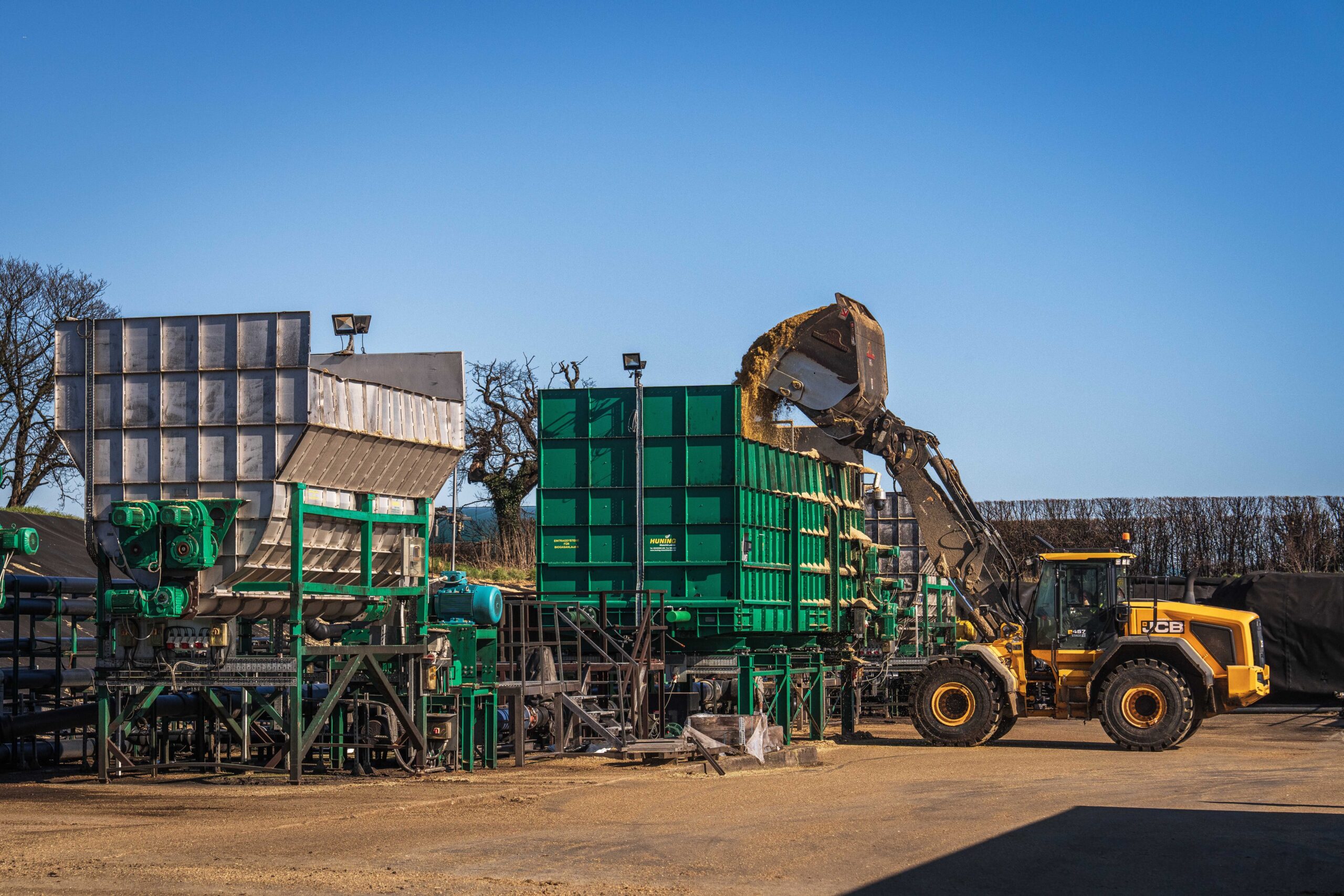
⑤ Sludge Water Treatment & Reuse: Sedimentation basin sludge water undergoes thickening and dewatering treatment. Filter backwash water is returned to the distribution well, reducing freshwater withdrawal. Applicable to water-scarce regions and large-scale water plants, with water recovery rates reaching over 90%.
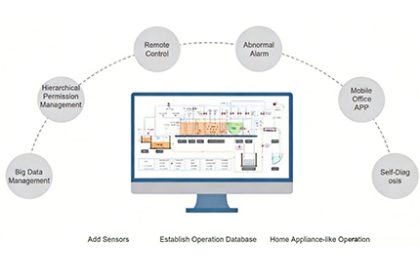
⑥ Smart Water Plant Development (Digital Twin + Intelligent Dosing): Comprehensive online water quality instrumentation coverage. AI algorithms optimize coagulant and disinfectant dosing rates. Digital twin models provide real-time prediction of water quality changes. Applicable to new water plant construction and smart retrofitting of existing facilities.
Key Considerations
The core principles of municipal water supply treatment are “Safety, Quality, and Stability.” Water plants facing sudden pollution risks in source water should be equipped with powdered activated carbon emergency dosing facilities.
Special attention must be directed toward disinfection byproducts (trichloromethane, nitrosamines). The combined disinfection process of “pre-ozonation + post-chloramination” is recommended to reduce associated risks. Secondary contamination prevention in distribution networks is equally important as finished water quality, requiring concurrent consideration of pipeline network rehabilitation and water quality maintenance strategies.