General Approach
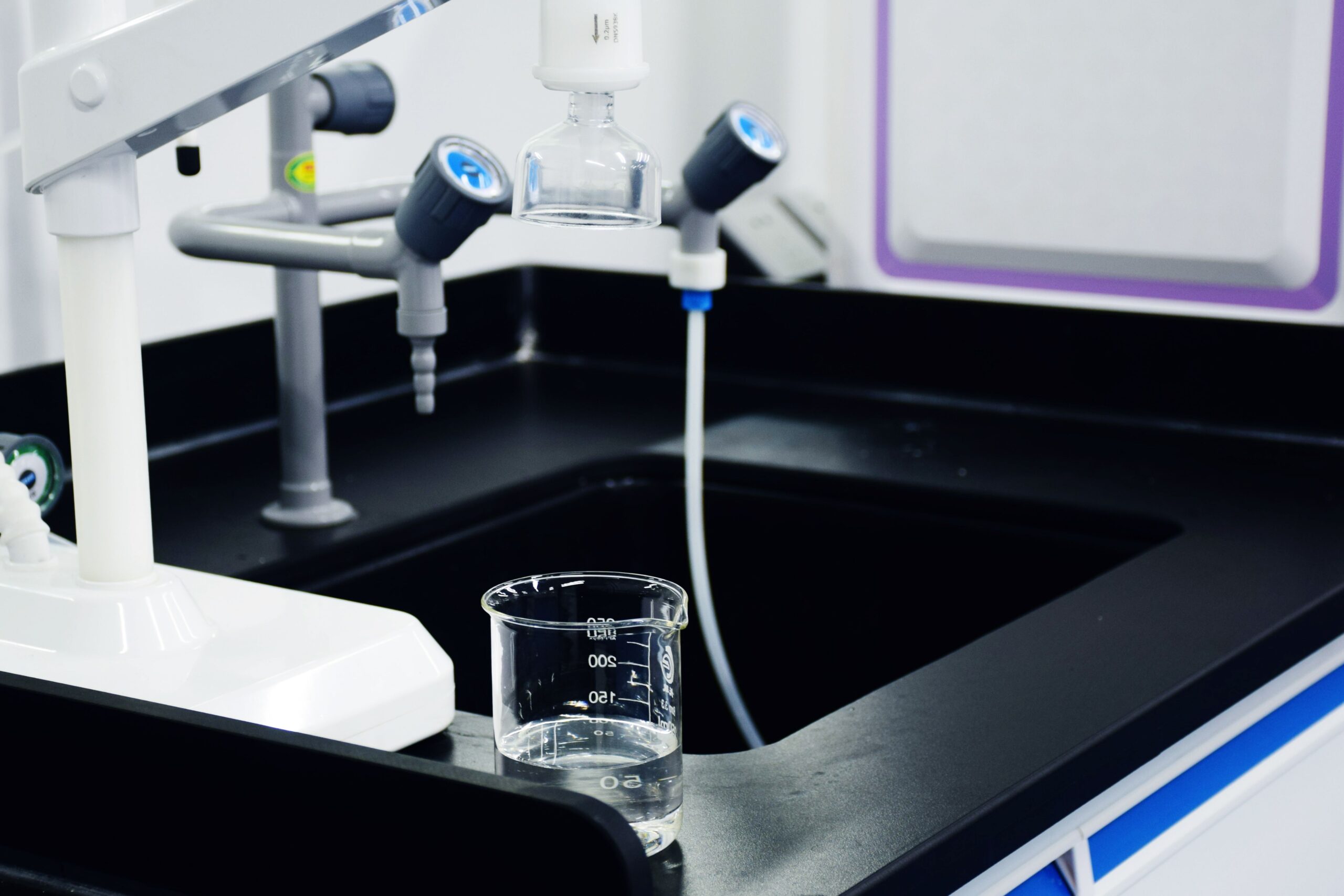
Groundwater treatment for drinking compliance follows a five-step progressive strategy: “Water Quality Testing → Problem Diagnosis → Targeted Treatment → Disinfection Assurance → Compliant Supply.” Based on common exceedance factors in groundwater—including iron and manganese, fluoride, arsenic, nitrate, hardness, and total dissolved solids—appropriate process combinations are selected to ensure effluent meets the Standards for Drinking Water Quality (GB 5749) requirements.
Core Technical Routes
① Iron and Manganese Removal (Aeration + Contact Oxidation / Manganese Sand Filtration): Groundwater rich in ferrous iron (Fe²⁺) and manganous manganese (Mn²⁺) undergoes aeration to oxidize Fe²⁺ to Fe³⁺ and Mn²⁺ to Mn⁴⁺, followed by retention in manganese sand filters or contact oxidation filters. Applicable to iron mining areas, coal mining regions, and shallow groundwater zones with elevated iron and manganese concentrations.
② Fluoride Removal (Activated Alumina / Hydroxyapatite / Electrodialysis): Activated alumina adsorbs and removes fluoride. Hydroxyapatite filter media removes fluoride through ion exchange. Electrodialysis or reverse osmosis provides membrane separation. Applicable to endemic high-fluoride drinking water regions, such as parts of northern and northwestern China.
③ Arsenic Removal (Adsorption / Oxidation + Flocculation + Filtration): Iron-manganese oxide adsorbents or activated alumina adsorb As(III) and As(V). Potassium ferrate or chlorine oxidation converts As(III) to As(V), followed by flocculation and filtration removal. Applicable to arsenic-contaminated water source areas.
④ Nitrate Removal (Ion Exchange / Reverse Osmosis / Electrodialysis): Ion exchange resins selectively remove nitrate ions. Reverse osmosis or electrodialysis provides membrane separation. Applicable to groundwater with nitrate exceedance resulting from agricultural non-point source pollution.
⑤ Hardness Removal + Mineralization Adjustment (Ion Exchange / Reverse Osmosis + Remineralization): Sodium ion exchange softening reduces calcium and magnesium hardness. RO desalination is followed by mineralization filter media to adjust pH and mineral content, replenishing essential trace elements. Applicable to high-hardness, high-salinity groundwater.
⑥ Disinfection Assurance (Sodium Hypochlorite / Chlorine Dioxide / UV): Treated water undergoes disinfection to eliminate bacteria and viruses. Sodium hypochlorite dosing maintains residual chlorine in distribution networks. Chlorine dioxide is suitable for deep well water supply systems. UV serves as supplementary disinfection for small-scale water supply stations.
Key Considerations
The core principle of groundwater treatment for drinking is “targeted treatment and appropriate treatment levels.” Groundwater quality varies significantly by location. Treatment processes must be customized based on actual water quality testing reports; uniform approaches should be avoided.
Regular water quality monitoring of groundwater sources is recommended, with attention to the impact of water level fluctuations on water quality and prevention of quality deterioration due to infiltration from adjacent pollution sources.
For toxic and hazardous substances such as arsenic and fluoride, treatment must achieve compliance before consumption; simple dilution and discharge are not acceptable practices.