General Approach
Medical wastewater treatment for discharge compliance follows a full-process control strategy of “Segregated Collection → Disinfection Pretreatment → Biological Treatment → Advanced Disinfection → Compliant Discharge.” Targeting specific pollutants in medical wastewater—including pathogenic microorganisms (bacteria, viruses, parasite eggs), pharmaceutical residues, radioisotopes, and chemical agents—the synergistic action of enhanced disinfection and biological treatment ensures effluent meets the requirements of the Discharge Standard of Water Pollutants for Medical Organization (GB 18466).
Core Technical Routes
① Segregated Collection + Source Disinfection: Wastewater from infectious disease wards and fever clinics is collected separately and undergoes pre-disinfection with chlorine dioxide or ozone before entering the pipeline network. Radioactive wastewater is treated in decay tanks. Spent chemical agents are collected and disposed of separately. Applicable to segregated collection management across different departments in general hospitals and specialized medical facilities.
② Enhanced Disinfection (Ozone / Chlorine Dioxide / UV + Chlorine): Ozone oxidation provides rapid and thorough disinfection. Chlorine dioxide offers sustained disinfection efficacy with low corrosivity. UV serves as supplementary disinfection to inactivate chlorine-resistant bacteria. The triple-disinfection combination is applicable to high-standard inactivation of pathogenic microorganisms in medical wastewater.
③ Pretreatment + Biological Treatment (AAO / MBR): Bar screens intercept floating materials. Equalization basins balance water quality. AAO or MBR biological systems remove organic matter and ammonia nitrogen. Applicable to wastewater treatment stations in large general hospitals, with effluent achieving GB 18466 pretreatment standards.
④ Membrane Separation + Activated Carbon Advanced Treatment: Ultrafiltration removes pathogenic microorganisms and macromolecular organics. Activated carbon adsorption removes pharmaceutical residues (antibiotics, hormones) and trace organic pollutants. Applicable to advanced treatment of medical wastewater discharged to sensitive water bodies or designated for reuse.
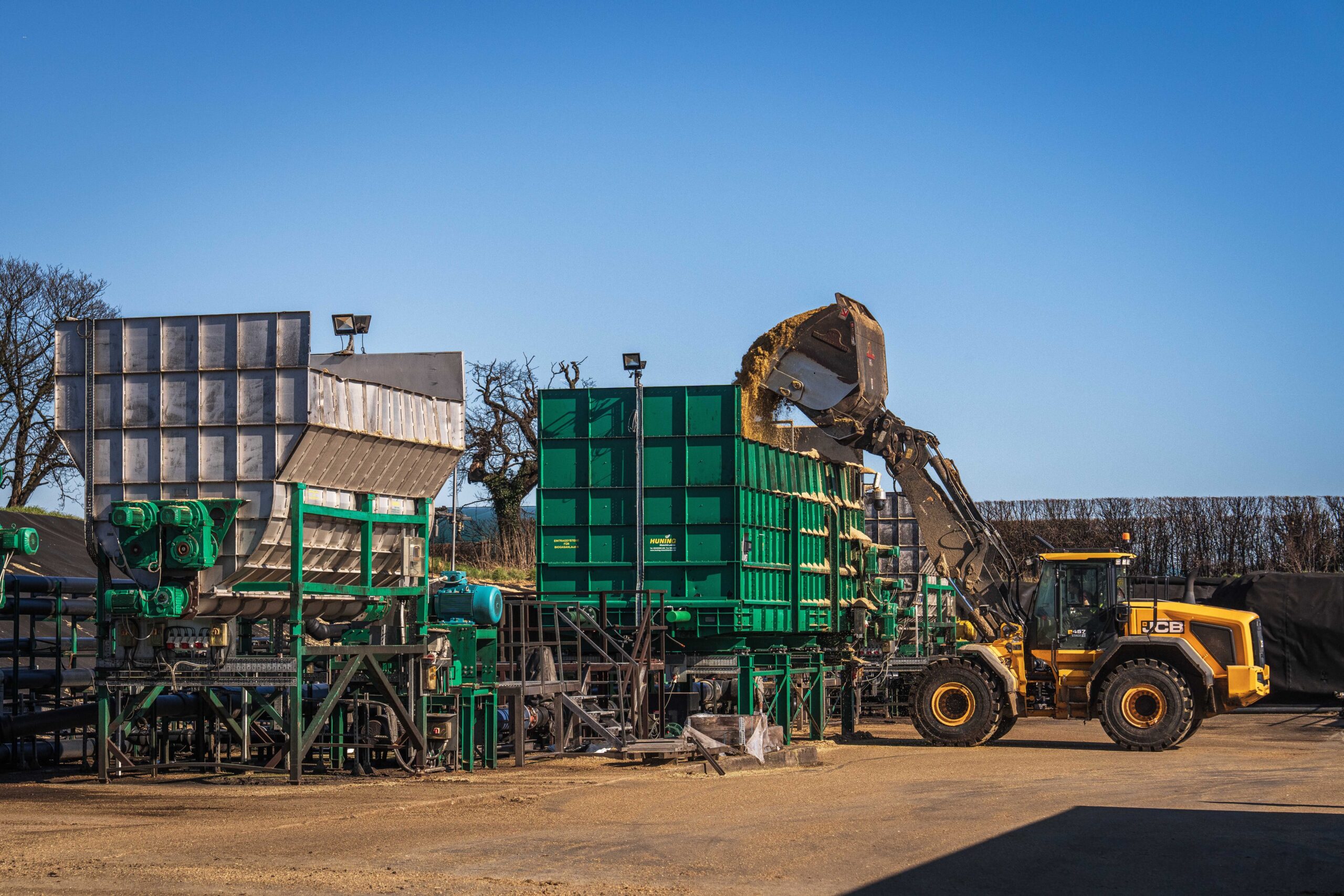
⑤ Sludge & Screenings Disinfection Treatment: Sludge undergoes disinfection with lime or bleaching powder, or high-temperature aerobic composting. Screenings are sterilized by autoclaving before hazardous waste disposal, preventing pathogen transmission through sludge pathways. Applicable to sludge treatment across all levels of medical institutions.
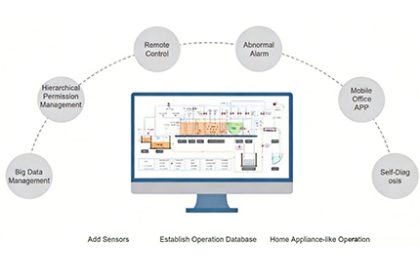
⑥ Online Monitoring + Automated Dosing System: Online residual chlorine monitoring linked to chlorine dioxide or sodium hypochlorite dosing equipment. Online monitoring of pH, flow rate, and COD with automatic anomaly alarms. Applicable to hospital wastewater treatment stations requiring unattended operation or remote monitoring.
Key Considerations
The core principles of medical wastewater treatment are “Thorough Disinfection and Segregated Collection.” Wastewater from infectious disease wards must undergo pre-disinfection before discharge into municipal sewer networks. When sodium hypochlorite or chlorine dioxide is used for medical wastewater disinfection, excessive dosing must be avoided to prevent generation of excessive disinfection byproducts such as dioxins.