General Approach
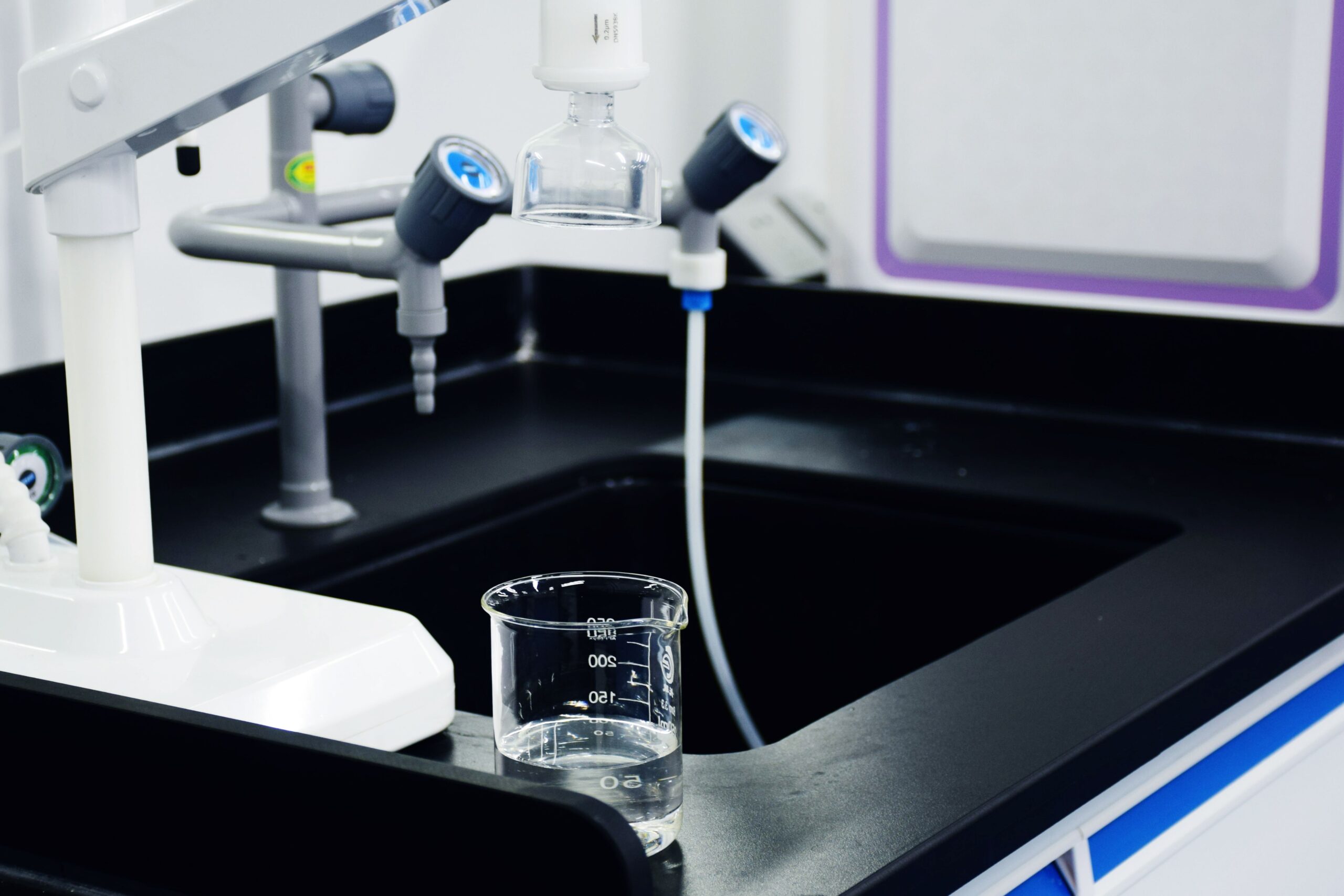
Industrial wastewater reuse and recycling follows a four-step progressive strategy: “Advanced Treatment → Membrane Separation → Disinfection & Stabilization → Segregated Supply by Quality.” Treated wastewater is directed to different reuse applications—such as process water, recirculating cooling water, landscape irrigation, and miscellaneous use—based on water quality characteristics, achieving water resource circular utilization and emission reduction objectives.
Core Technical Routes
① Pretreatment + Dual-Membrane Process (UF + RO): Ultrafiltration removes suspended solids and macromolecular organics. Reverse osmosis retains dissolved salts and trace pollutants. Permeate meets water quality requirements for process water or boiler feedwater. Applicable to desalination and reuse in electronics, pharmaceutical, chemical, and power generation industries.
② MBR + Ozone Oxidation + BAF Advanced Treatment: MBR bioreactor removes the majority of organic matter and ammonia nitrogen. Ozone oxidation degrades recalcitrant organics. Biological aerated filter provides further degradation. Applicable to wastewater reuse from textile, papermaking, and food processing sectors with moderate salinity.
③ Advanced Oxidation + Activated Carbon Adsorption (AOP + GAC): Fenton, ozone, and UV combined advanced oxidation degrades highly toxic organics. Granular activated carbon adsorbs trace organics and color. Applicable to advanced treatment and reuse of wastewater containing recalcitrant organics from pharmaceutical, pesticide, and fine chemical industries.
④ High-Density Sedimentation Tank + Mechanical Filter + Disinfection: Chemical flocculation and sedimentation remove SS and phosphorus. Mechanical filters retain fine suspended solids. Sodium hypochlorite or UV disinfection provides microbial control. Applicable to wash water reuse in metal surface treatment and electroplating industries.
⑤ Segregated Water Supply System Design: Graded water supply based on quality requirements—pure water → process water → cooling recirculating water → landscape and miscellaneous water—avoids excessive treatment and reduces operating costs. Applicable to large industrial parks or enterprises requiring cascaded utilization of multiple water sources.
⑥ Concentrate Volume Reduction Treatment (MVR Crystallization / Solidification): RO concentrate undergoes salt separation via nanofiltration. Concentrated stream is treated by MVR evaporation crystallization or solidification. Freshwater is reused or discharged in compliance. Applicable to zero liquid discharge projects for high-salinity wastewater.
Key Considerations
The core principles of industrial wastewater reuse are “Appropriate Treatment Levels and Segregated Supply by Quality.” Reclaimed water quality must satisfy the specific requirements of the intended reuse application, avoiding excessive treatment that leads to resource waste.
It is recommended to conduct plant-wide water balance analyses to clarify the water quantity and quality demands at each usage node, optimize reuse scheme design, and reduce both freshwater withdrawal and total pollutant discharge.