Wastewater Treatment Chemical Solutions
One-Stop Supply: 4 Categories & 12 Core Products
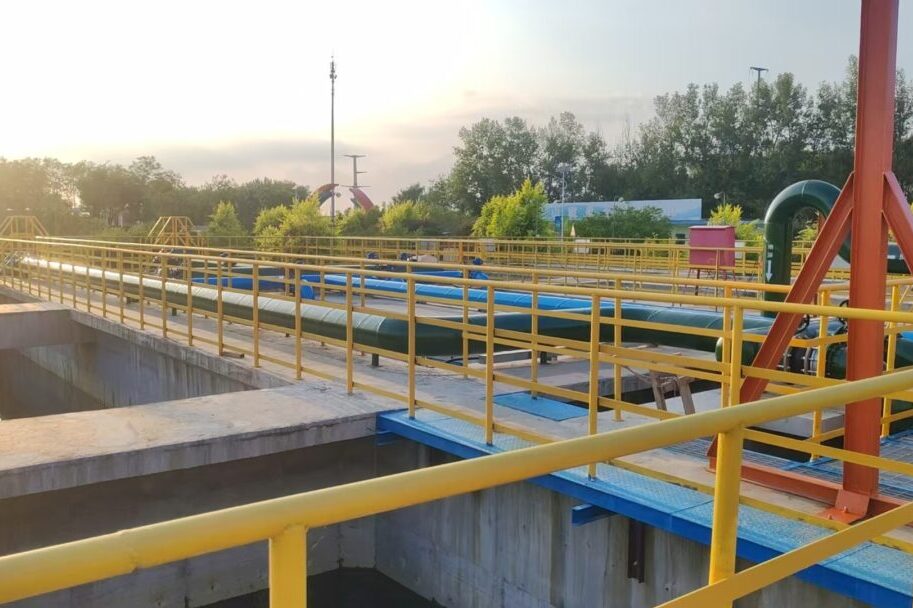
Since 2008, our engineering teams have worked across a wide range of water and wastewater treatment projects, gaining practical experience not only in process design, EPC delivery and modular treatment systems, but also in the selection, application and optimization of treatment chemicals.
Through years of project design, commissioning and operation, we have worked with a wide range of chemicals across municipal and industrial water treatment processes. This field experience has also enabled us to build long-term relationships with established chemical manufacturers and develop a reliable supply network.
Today, SYNERAQUA brings these engineering and sourcing capabilities together to provide water treatment chemicals backed by practical process knowledge. Rather than simply supplying products, we help customers select suitable chemicals based on their water quality, treatment process, operating conditions and performance requirements.
From chemical selection and technical support to consolidated sourcing and stable supply, SYNERAQUA helps customers simplify procurement while improving treatment performance and controlling operating costs.
Product Categories
4 categories and 12 core chemicals covering the entire wastewater treatment process from biological denitrification to advanced treatment
Carbon Source Chemicals
Provides carbon and energy for microorganisms to promote denitrification. Three carbon sources suited for emergency supplementation, continuous denitrification, and cost optimization in large plants.
- Glucose — Simple sugar, no hydrolysis needed, rapidly absorbed, non-toxic, ideal for emergency carbon supplementation
- Sodium Acetate — Highly efficient fast-acting carbon source for denitrifying bacteria, safe with no flammability risk, widely used in municipal upgrades
- Methanol — Requires only ~2.47mg per mg/L nitrate removed, leading cost-effectiveness, suitable for large plants with mature safety management
Coagulant & Flocculant Chemicals
Charge neutralization and adsorption bridging cause suspended particles to coagulate and settle. Two inorganic coagulants (PAC, PFS) combined with organic flocculant (PAM) form a complete coagulation-destabilization and flocculation solution.
- PAC — Charge neutralization and bridging adsorption aggregate suspended particles into larger flocs, widely used in primary treatment
- PFS — Superior turbidity removal, decolorization, and phosphorus removal, excelling in high-concentration, high-color wastewater
- PAM — Long-chain molecules provide adsorption bridging to accelerate settling, available in anionic/cationic/non-ionic types, essential for sludge dewatering
Oxidant & Reductant Chemicals
Oxidizes refractory organics, disinfects, reduces heavy metals and residual chlorine, covering four major needs: advanced treatment, disinfection, and chromium wastewater treatment.
- Sodium Hypochlorite — Primary oxidizing disinfectant, kills bacteria and viruses, removes color and odor, widely used in municipal wastewater disinfection
- Sodium Persulfate — When activated, produces sulfate radicals for efficient oxidation of refractory organics
- Sodium Metabisulfite — Reduces highly toxic hexavalent chromium to trivalent chromium under acidic conditions, standard in electroplating and textile industries
- Sodium Bisulfite — Dual function: reduces heavy metals + removes residual chlorine to protect RO membranes
Functional Chemicals
Eliminates foam interference and removes wastewater color, ensuring stable biological treatment and compliant effluent color.
- Antifoam — Reduces surface tension to rapidly break foam, available in silicone and polyether types, prevents sludge loss
- Decolorant — Charge neutralization and adsorption bridging efficiently remove color substances, designed for textile, paper, and dye wastewater
Product Technical Specifications
Typical reference parameters for SynerAqua’s four water treatment chemical families. Exact dosage, formulation and packaging are confirmed against your raw-water quality and discharge standard — values below are representative ranges for engineering selection.
Carbon Source Chemicals · for biological denitrification (TN removal)
| Product | Chemistry / Type | Form | Typical Dosage | Packaging |
|---|---|---|---|---|
| Sodium Acetate Solution | CH₃COONa | Liquid (25%–30% w/w) | 30–150 mg/L as COD₃ | IBC 1000 L / Drum 200 L / Bulk |
| Compound Carbon Source | Blended alcohols & organics | Liquid | 20–120 mg/L as COD₃ | IBC 1000 L / Drum 200 L |
| Methanol | CH₃OH ≥99.5% | Liquid | Per nitrate load (stoich. ×1.2–1.5) | IBC / Bulk (flammable — dedicated storage) |
| Glycerol (food-grade opt.) | C₃H₈O₃ | Liquid | 25–130 mg/L as COD₃ | IBC 1000 L |
Coagulant & Flocculant Chemicals · suspended solids & phosphorus removal
| Product | Chemistry / Type | Form | Typical Dosage | Packaging |
|---|---|---|---|---|
| Polyaluminum Chloride (PAC) | Alₙ(OH)ₘCl₍₆₋ₙ₎ | Liquid 10%–18% Al₂O₃ / Powder | 10–80 mg/L | IBC / Drum / Bag 25 kg |
| Polyacrylamide (PAM) | Anionic / Cationic / Non-ionic | Powder / Emulsion | 0.5–5 mg/L | Bag 25 kg |
| Ferric Chloride | FeCl₃ | Liquid 38%–40% | 20–100 mg/L | IBC / Drum |
| Aluminum Sulfate | Al₂(SO₄)₃ | Powder / Granular | 15–70 mg/L | Bag 50 kg |
Oxidant & Reductant Chemicals · disinfection, dechlorination & advanced oxidation
| Product | Chemistry / Type | Form | Typical Dosage | Packaging |
|---|---|---|---|---|
| Sodium Hypochlorite | NaClO (10%–15% av. Cl₂) | Liquid | Per residual target | IBC / Drum (store cool, away from acids) |
| Hydrogen Peroxide | H₂O₂ 27.5% / 35% / 50% | Liquid | Per oxidation demand | IBC / Drum |
| Sodium Bisulfite | NaHSO₃ | Liquid / Powder | Stoich. ×1.1 vs Cl₂ | IBC / Bag 25 kg |
| Sodium Metabisulfite | Na₂S₂O₅ | Powder | Stoich. ×1.1 vs Cl₂ | Bag 25 kg |
Functional Chemicals · membrane protection, defoaming & pH control
| Product | Chemistry / Type | Form | Typical Dosage | Packaging |
|---|---|---|---|---|
| Antiscalant | Polymeric / Phosphonate | Liquid | 2–6 mg/L (RO feed) | IBC / Drum |
| Defoamer | Silicone / Non-silicone emulsion | Liquid | 1–20 ppm | Drum 200 L |
| Caustic Soda (pH+) | NaOH 30%–32% / Flake | Liquid / Flake | Per pH setpoint | IBC / Bag 25 kg |
| Membrane Cleaner (acidic/alkaline) | Blended surfactant & chelant | Liquid | 0.5%–2% recirculation | Drum 25 L |
Specifications above are typical reference ranges for engineering selection. Final parameters, NSF/ANSI 60 (potable-water) compliance, food-grade options and packaging are confirmed with your SynerAqua representative and the applicable Safety Data Sheet (SDS).
Application Areas
Our water treatment chemicals are widely used in municipal, industrial, drinking water, and membrane treatment applications
Municipal Wastewater Treatment
Chemicals for improving biological treatment efficiency, enhancing sludge settling, and reducing pollutant discharge.
- Sludge Dewatering & Conditioning
- COD Removal
- Phosphorus Removal
- Biological System Optimization
- Defoaming
- Improved settling performance
- Reduced sludge moisture
- Stable compliant discharge
Industrial Wastewater Treatment
Serving wastewater from food processing, chemical, pharmaceutical, electronics, electroplating, petrochemical, and mining industries.
- Heavy Metal Removal
- Organic Pollutant Degradation
- Suspended Solids Removal
- Color Removal
- Refractory Pollutant Treatment
- Industry-specific treatment
- Meets discharge standards
- Reduced operating costs
Drinking Water Treatment
Chemicals for raw water purification, coagulation-sedimentation, disinfection, and water quality stabilization.
- Raw Water Purification
- Coagulation & Sedimentation
- Disinfection Treatment
- Water Quality Stabilization
- Meets WHO / EPA standards
- Safe drinking water quality
- Stable treatment performance
Membrane Treatment Systems
For ultrafiltration, reverse osmosis, nanofiltration, and seawater desalination — scale inhibition, cleaning, and biofouling control.
- Membrane Scale Prevention
- Periodic Chemical Cleaning
- Microbial/Biofouling Control
- Extended Membrane Lifespan
- Higher membrane flux
- Longer membrane life
- Lower replacement costs
Industrial Circulating Water Systems
For cooling water systems, boiler water systems, and industrial circulating water management.
- Corrosion Control
- Scale Control
- Microbial Control
- Equipment protection
- Improved heat exchange efficiency
- Extended system lifespan
Seawater Desalination
Specialty chemicals for SWRO pretreatment, scale inhibition, and membrane cleaning in desalination plants.
- SWRO Antiscalant
- Pretreatment Coagulant
- Membrane Cleaning Chemicals
- Disinfection & Biofouling Control
- Stable RO operation
- Reduced cleaning frequency
- Reduced operating costs
Responsible Chemistry & Water Stewardship
At SYNERAQUA, chemical supply is supported by the same engineering principles we apply to water and wastewater treatment: appropriate product selection, controlled dosing, responsible sourcing, and reliable quality.
We work with qualified chemical manufacturers and evaluate suppliers based on product quality, production capability, quality and environmental management, regulatory documentation, and supply reliability.
Qualified Manufacturing Partners
Products are sourced from selected manufacturing partners with established production and quality-management systems. ISO 14001 and other relevant certifications are available for selected manufacturers and products where applicable.
Application-Based Selection
Chemical selection and dosing recommendations are based on water quality, treatment processes, operating conditions, and performance requirements — helping avoid unnecessary chemical consumption and excessive dosing.
Quality & Supply Control
From manufacturer qualification and product documentation to batch consistency, packaging, storage, and logistics, we coordinate the supply chain to support reliable and consistent chemical delivery.
Our role goes beyond sourcing. By combining water treatment engineering experience with an established manufacturer network, SYNERAQUA helps customers select and procure chemicals that are appropriate for their actual treatment processes.


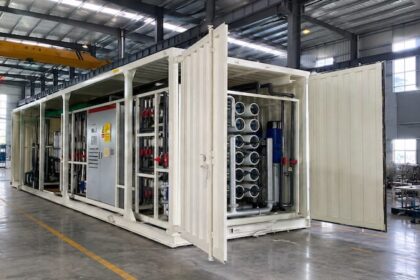
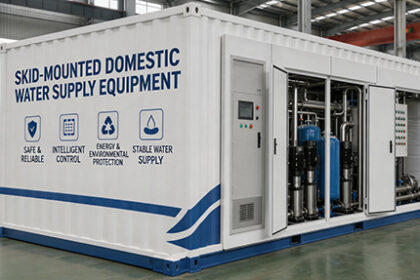
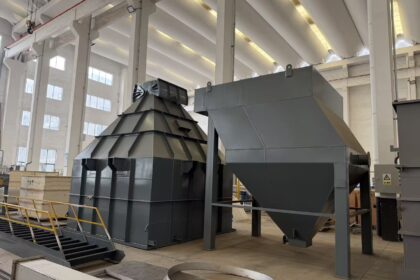
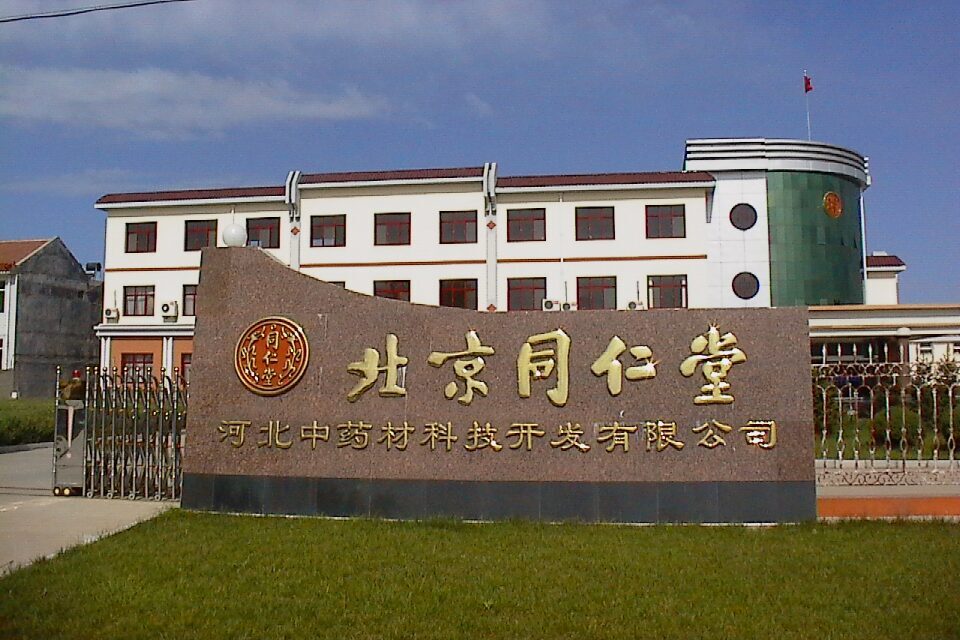
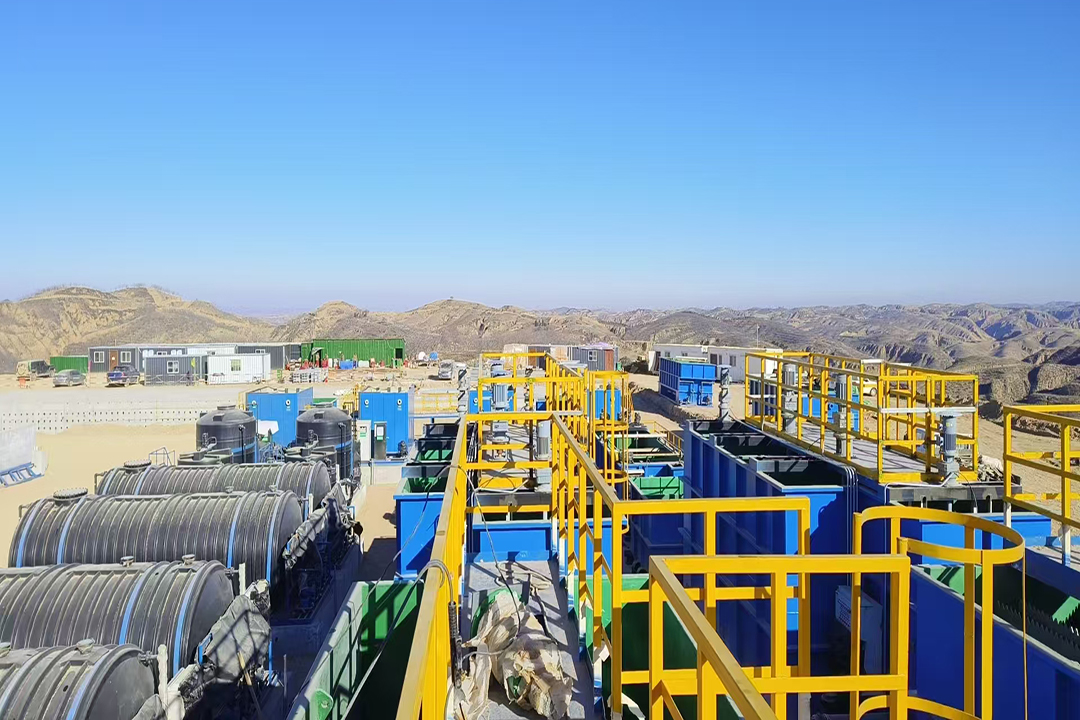
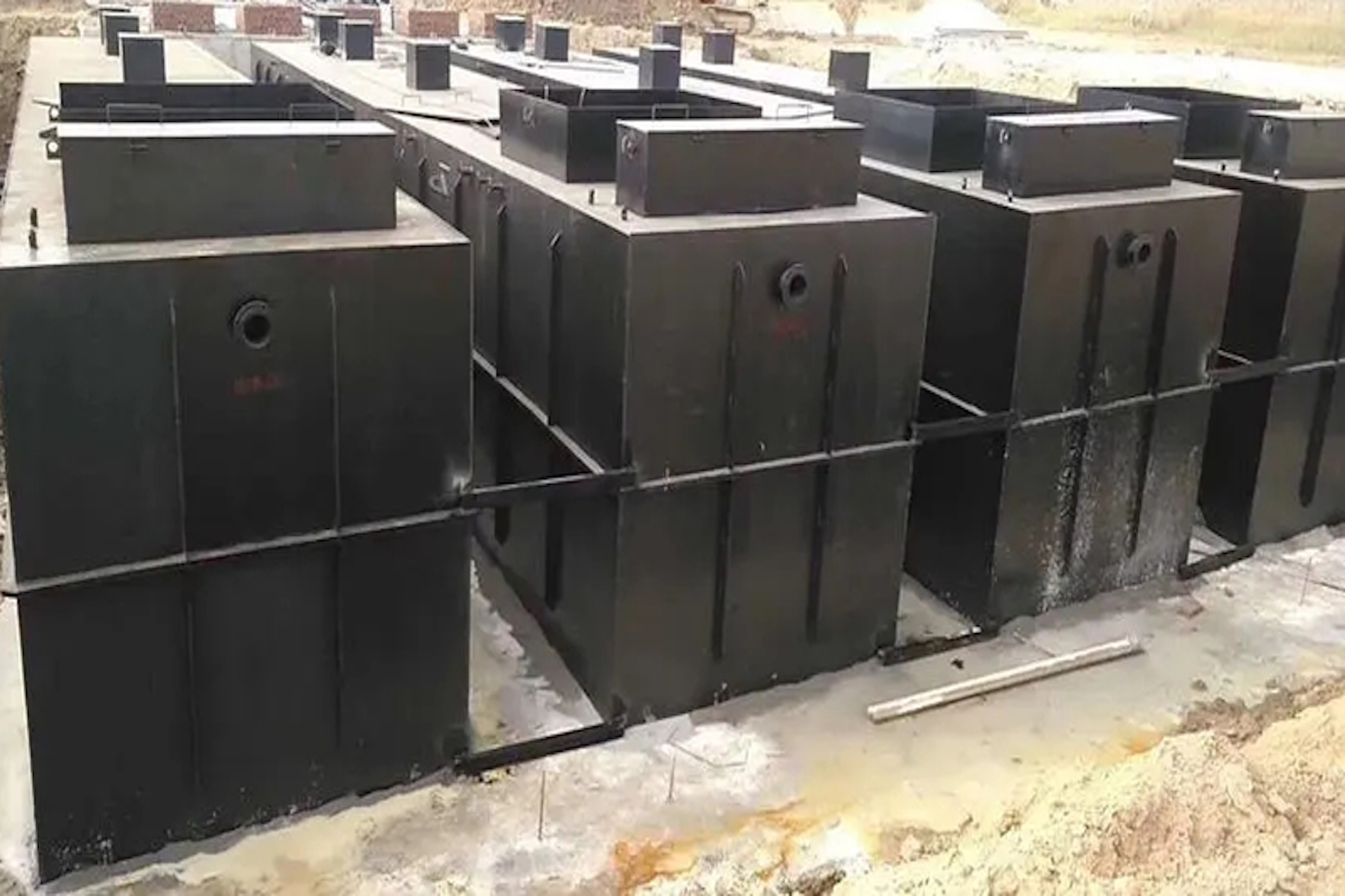
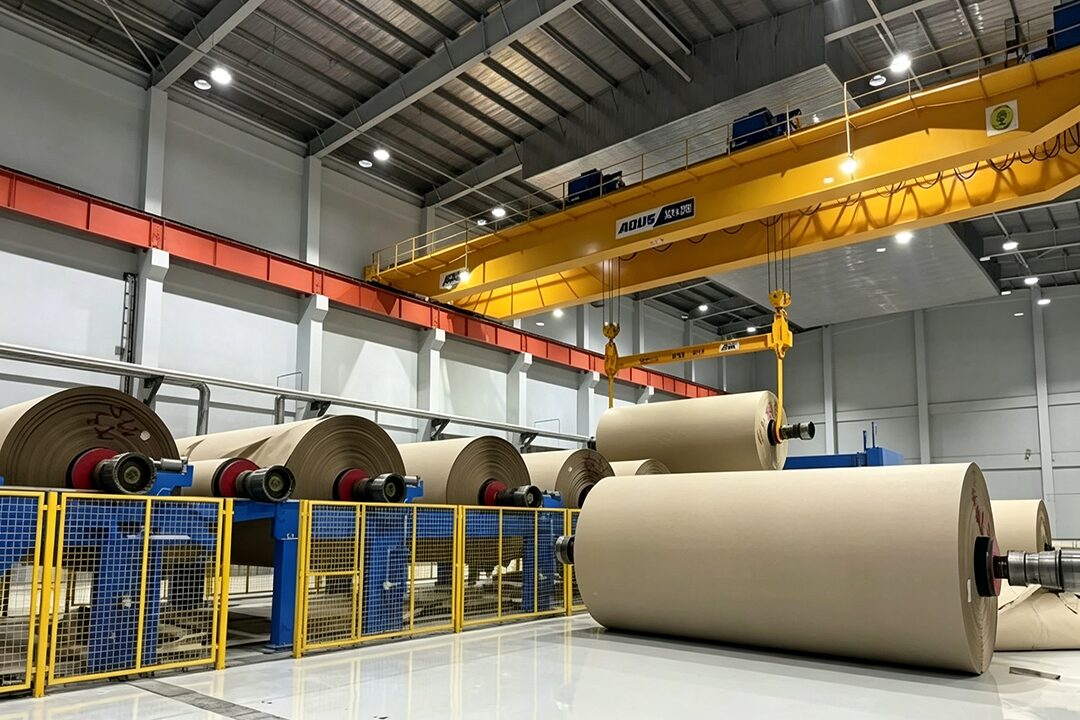
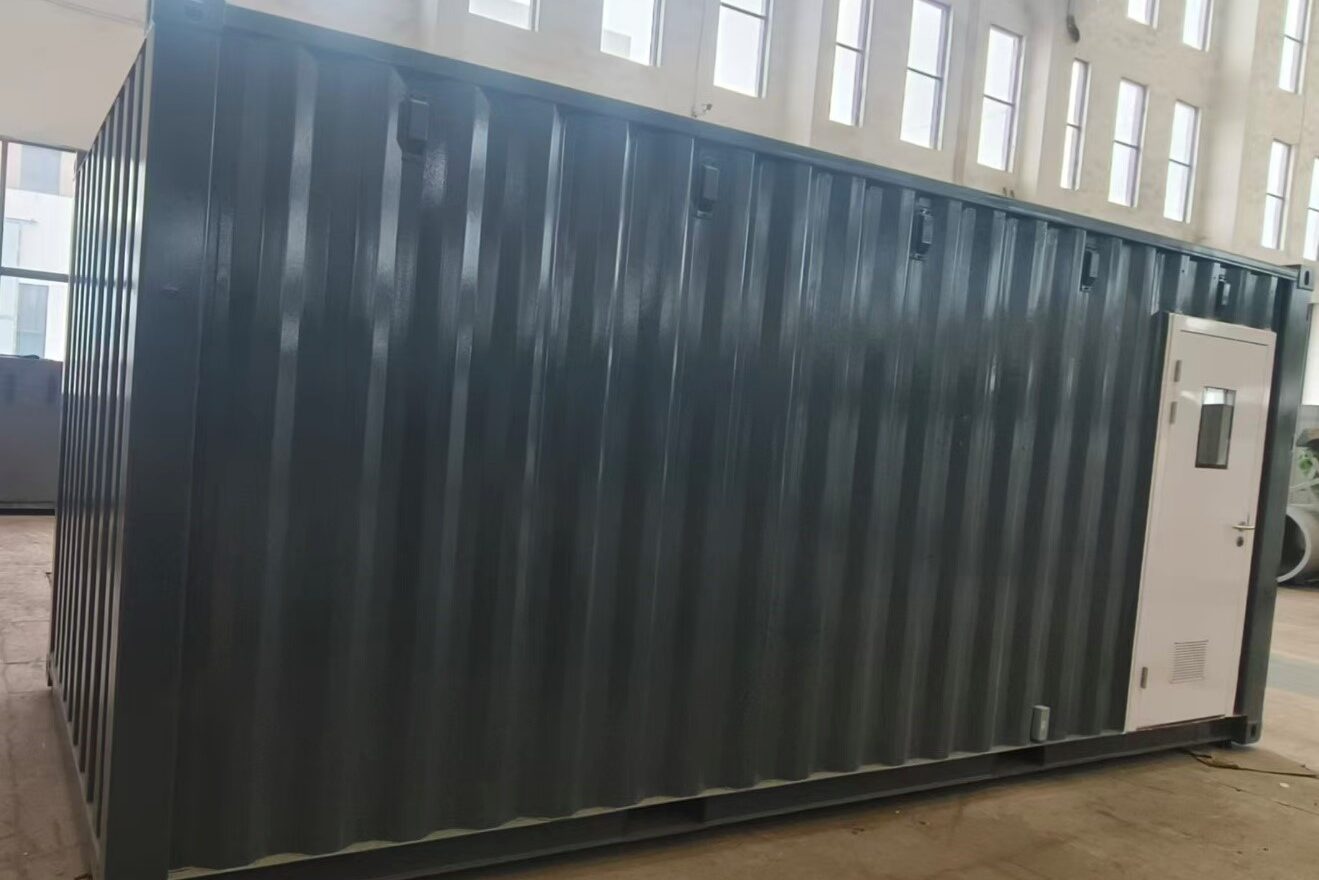
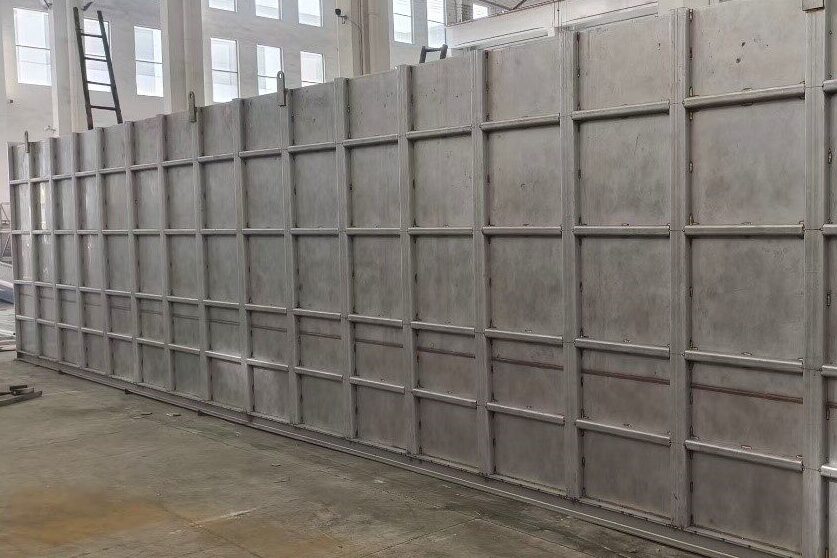
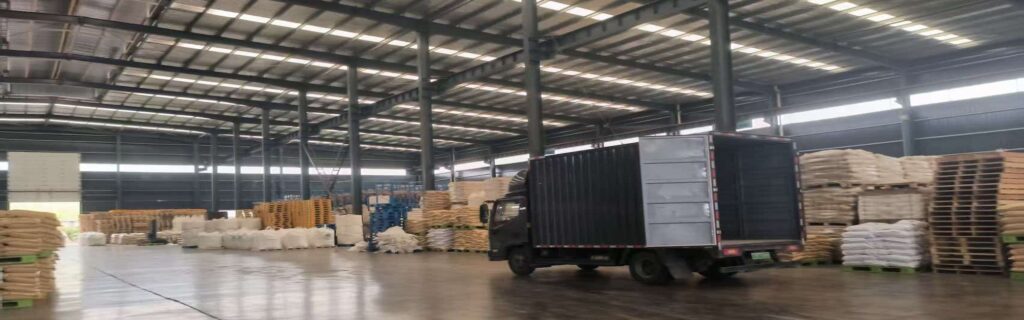
Facility images shown are from selected manufacturing partners within SYNERAQUA's supply network.
FAQs of SYNERAQUA Water Treatment Chemicals
Answers about chemical selection, dosing, storage & safety, compliance, technical support and overseas delivery.
How do I select the right chemical and dosage for my water?
Selection starts from your raw-water parameters and target standard — influent/effluent COD, BOD, TN, TP, turbidity, heavy metals, pH and flow. We typically run a jar test / pilot to confirm coagulant type, carbon-source demand for denitrification, oxidant dose and any functional additive, then size the dosing against your flow. Share your water report and we return a recommended product list with dosage ranges (see the specifications tables above).
Liquid vs. powder — which should I choose?
Liquid is preferred for automated dosing — it dissolves instantly, suits IBC/drum bulk feed and reduces handling labour. Powder (e.g. PAM, PAC, aluminum sulfate) is more concentrated, cheaper to ship per active unit and easier to stock, but needs a dissolution/make-up system. For most municipal and industrial plants we recommend liquid with a day-tank; powder is common where logistics cost dominates.
How are the chemicals dosed, and what dosing system is needed?
We supply chemicals as part of an integrated solution with dosing skids: metering pumps (diaphragm / peristaltic), day-tanks, agitation and level control, wired into the plant PLC/SCADA. Dosing is usually flow-proportional or feedback-controlled (e.g. ORP for redox, pH for acidification). Standalone barrels with a small metering pump work for pilot or low-flow sites.
What about storage and safety — are SDS and handling guidance provided?
Yes. Every product is delivered with a Safety Data Sheet (SDS) and storage/handling guidance. General rules: keep oxidants (hypochlorite, peroxide) away from acids and reducers; store flammable carbon sources (methanol) in dedicated, ventilated areas; observe shelf life and temperature limits for liquid polymers. We brief your operators during commissioning.
Are the products compliant for drinking-water use?
For potable applications we offer grades suitable for drinking-water treatment and can supply products intended to meet NSF/ANSI 60 where required. Confirm the specific product and certificate with your SYNERAQUA representative, since compliance depends on the exact formulation and intended use.
Do you provide pilot / jar-test support and technical service?
Yes. Our process engineers support jar tests, pilot trials and dosing-optimization on site or at our 18,000 m² facility, then hand over a validated dosing recipe. Remote monitoring (Water-Eye) lets us fine-tune dosage after commissioning for overseas projects.
What are the packaging and minimum order quantities (MOQ)?
Standard packs are IBC 1000 L, drum 200 L and 25 kg bags; bulk delivery is available for large plants. MOQ depends on product and region — contact us with your estimated monthly consumption and we will quote packaging and lead time. Toll-blending / own-label is possible for distributors.
Can you deliver overseas with documentation and on-site commissioning?
Yes. SYNERAQUA is a Singapore-based engineering company with global delivery experience (e.g. Lagos, Vietnam, Singapore). We handle export documentation, SDS/transport compliance, English manuals and remote or on-site commissioning of both chemicals and the associated modular / dosing systems.
Our Advantages
Procurement Cost Reduction
One-stop supply of 4 categories and 12 chemicals, eliminating communication costs and quality risks of multiple suppliers. Long-term agreements lock in prices, with tiered bulk discounts.
- One-stop supply reduces procurement management complexity
- Long-term agreements lock in prices, reducing overall procurement costs by 10%-20%
Treatment Efficiency Enhancement
Technical team precisely selects chemicals based on water quality, avoiding mismatched dosing. Jar tests and on-site pilot studies validate optimal dosing plans.
- Professional technical team provides full-process support: analysis, selection, dosage optimization
- Laboratory and on-site pilot test capabilities for precise matching with actual conditions
- Chemical efficiency improved by 15%+ in actual cases
Compliance Assurance
Complete documentation and safety support ensure compliant operations. Each batch undergoes content determination, impurity analysis, and performance testing before delivery.
- Complete MSDS for all products, covering hazard information, first aid, fire-fighting, and spill handling
- Hazardous chemical safety: acid-alkali segregated storage, oxidizer-reductant strict isolation, 100% certified operators
- Batch traceability: each batch traceable to raw material source and production parameters
- Assists in establishing hazardous chemical registries for regulatory compliance
Full-Process Solutions
"Water quality diagnosis → Solution customization → Implementation → Performance tracking" four-step closed-loop service system.
- On-site sampling + comprehensive lab analysis to identify water quality characteristics and treatment bottlenecks
- Jar tests and on-site pilot studies to determine optimal chemical combinations and dosages
- Dosing system installation & commissioning + operator safety training
- Regular follow-up monitoring of effluent indicators, dynamic dosing optimization
Flexible Partnership & Five Service Commitments
Three flexible partnership models: annual framework contracts, technology packaged services, and free trials. Five service commitments cover quality assurance and technical support.
- Annual Framework Contract — Locks in annual preferential pricing, priority production scheduling
- Technology Packaged Service — Water quality diagnosis + chemical supply + performance guarantee integrated delivery
- Free Trial Experience — Free water sample testing and bench-scale samples, zero-risk verification
- Unconditional Returns for Quality Issues — Immediate return/exchange process upon quality issue confirmation
- Lifetime Free Technical Consultation — Provides solution adjustment recommendations whenever water quality changes