General Approach
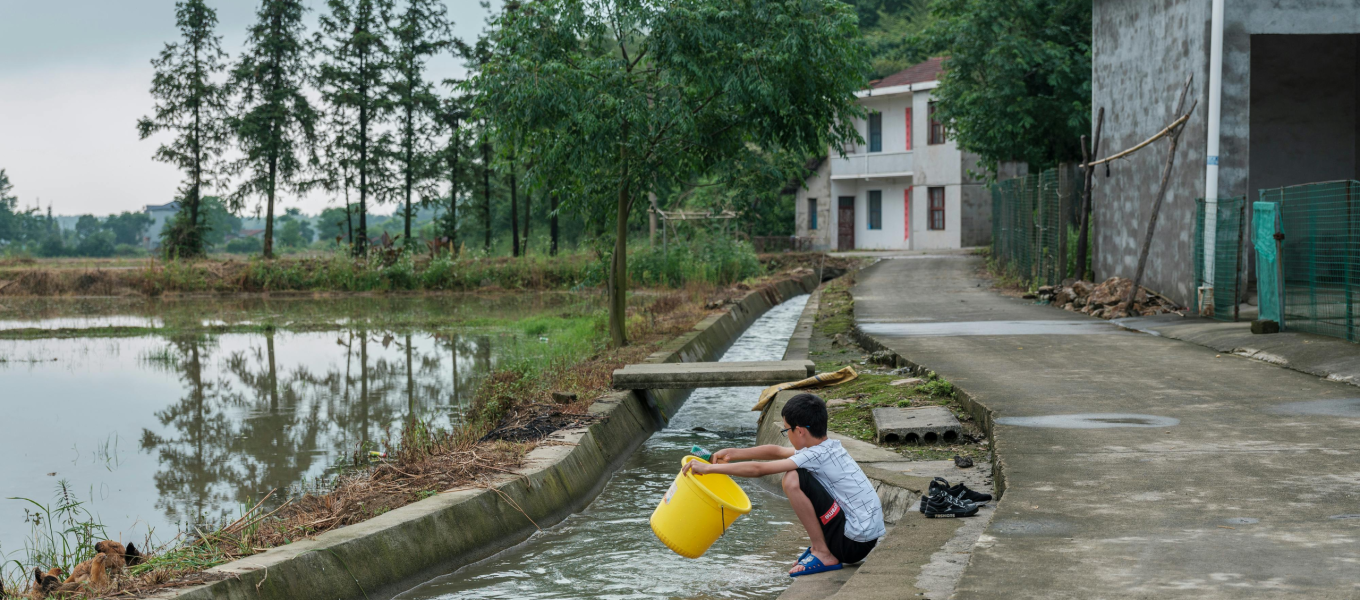
Rural wastewater treatment for discharge compliance follows a site-specific strategy of “Household Collection → Village-Level Treatment → Compliant Discharge.” Addressing the characteristics of dispersed rural populations, small discharge volumes, significant water quality fluctuations, and limited operation and maintenance capacity, treatment employs integrated equipment or ecological processes with low capital investment, small footprint, and simple O&M requirements. Effluent meets the requirements of local rural domestic sewage treatment facility discharge standards.
Core Technical Routes
① Household Anaerobic Pretreatment + Constructed Wetland: Single or multi-household fiberglass three-chamber septic tanks provide anaerobic decomposition of fecal wastewater. Effluent enters village-level subsurface flow constructed wetlands with gravel or volcanic rock media and aquatic plants for purification. Applicable to decentralized rural wastewater treatment for scattered households or areas with limited pipeline access.
② Integrated A/O/MBR Equipment: Pre-denitrification + anaerobic + aerobic + membrane separation integrated equipment achieves over 90% COD removal with clear, stable effluent. Applicable to rural settlements with limited land availability, new rural communities, or villages adjacent to sensitive water bodies.
③ Stabilization Pond + Ecological Pond Combination: Anaerobic ponds receive high-concentration wastewater for anaerobic fermentation. Aerated ponds provide oxygenation and organic oxidation. Ecological ponds planted with aquatic vegetation deliver further purification. Applicable to rural areas with existing natural ponds or abandoned fishponds, offering low investment and simple O&M.
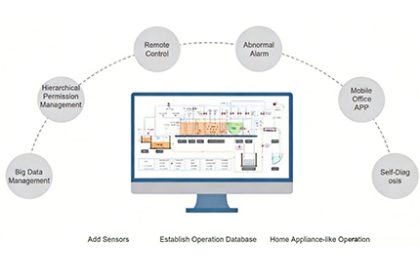
④ Integrated Purification Tank (AO / MBBR): Compact fiberglass or PE purification tanks filled with suspended carriers provide shock load resistance and fully automated operation without dedicated personnel. Applicable to single households or small-scale treatment for 10 to 50 households, with effluent achieving Class 1B or Class 1A standards.
Key Considerations
The core principles of rural wastewater treatment are “Site-Specific Adaptation, Stable Compliance, and Ease of O&M.” Technology selection must comprehensively consider local topography, climatic conditions, economic development level, discharge destination, and operational capacity.
Recommended treatment approaches: Purification tanks or anaerobic + constructed wetland systems for scattered households with daily flow below 20 m³; Integrated A/O/MBR equipment for village-level stations with flow of 20 to 200 m³/d; Stabilization pond processes for villages with flow exceeding 200 m³/d and available natural pond resources.