A modular water treatment system is a prefabricated, skid-mounted or containerized solution designed to treat water or wastewater through configurable process units. It helps industrial, municipal, commercial, and remote-site projects achieve faster deployment, flexible capacity expansion, and more predictable water quality control.
This type of system is becoming more important as global water infrastructure faces rising pressure. According to UNICEF, 2.1 billion people still lacked safely managed drinking water in 2024, while the UN SDG 6 report states that only 56% of global domestic wastewater, about 332 billion m³, was safely treated in 2024. For project owners, these numbers show why scalable, decentralized, and quickly deployable treatment systems are increasingly valuable.
Syneraqua provides modular water and wastewater treatment solutions for industrial wastewater, municipal wastewater, drinking water, water purification, and reuse projects. You can explore Syneraqua’s Water & Wastewater Treatment Systems, Industrial Wastewater Treatment Solutions, and Water Purification Solutions to find suitable system options for different project needs.
What Is a Modular Water Treatment System?
A modular water treatment system is a factory-built water or wastewater treatment solution that integrates equipment, piping, controls, and treatment units into transportable modules for fast installation and flexible expansion.
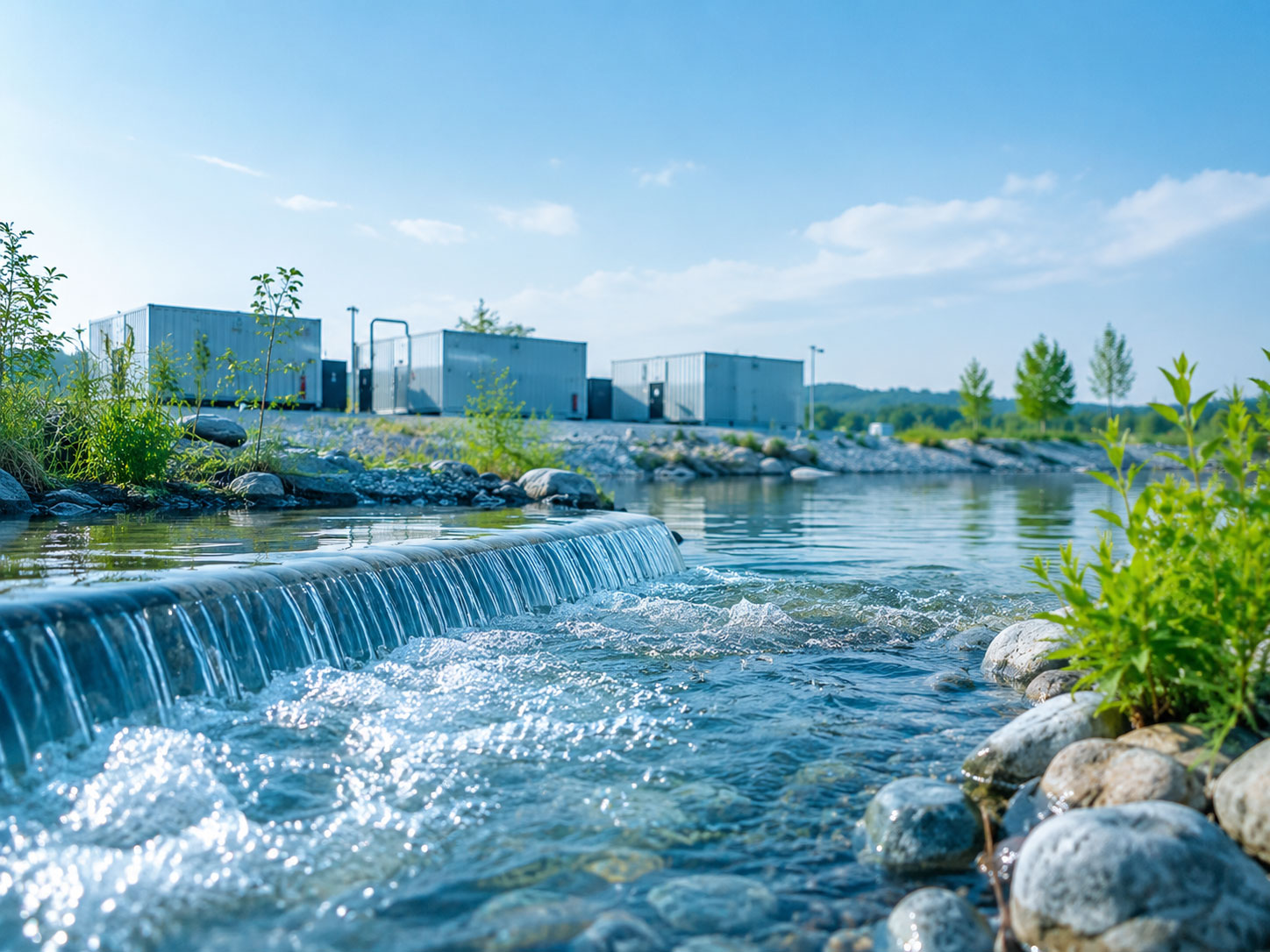
Unlike traditional concrete-based treatment plants, modular systems are designed as compact and expandable engineering blocks. They can be skid-mounted or containerized, allowing projects to start with the required capacity and add more modules later as water demand or wastewater volume increases.
A modular system may include screening, equalization, filtration, reverse osmosis, biological treatment, disinfection, sludge treatment, chemical dosing, and intelligent control. The final configuration depends on influent quality, treatment target, daily flow rate, available space, and operation requirements.
For drinking water projects, the system may focus on filtration, purification, disinfection, and storage. For industrial wastewater projects, it may target COD reduction, oil removal, heavy metal treatment, sludge handling, and final polishing. Syneraqua designs modular water treatment systems according to real project conditions, helping buyers avoid one-size-fits-all solutions.
Modular Water Treatment System Process Flow
Modular water treatment system process flow is the ordered sequence of treatment stages used to remove solids, organic pollutants, dissolved contaminants, nutrients, and microorganisms before water is discharged, reused, or supplied.
A typical process begins with water intake and screening. Large particles, floating matter, and debris are removed first to protect downstream equipment. The water then enters equalization or pretreatment, where flow rate and pollutant concentration are stabilized. This step is important for industrial wastewater because production discharge often changes during the day.
After pretreatment, the main treatment stage depends on the water source. For drinking water and general purification, the CDC explains that water utilities often use coagulation, flocculation, sedimentation, filtration, and disinfection to make water safer for use. For wastewater, the system may use physicochemical treatment, biological treatment, membrane filtration, advanced oxidation, or a combined process.
A practical modular water treatment process may follow this route:
Raw water or wastewater enters the system, passes through screening and pretreatment, then moves into the core treatment section. Suspended solids, organic matter, oil, nutrients, metals, or dissolved salts are removed through the selected process. The water then receives polishing treatment such as sand filtration, activated carbon, ultrafiltration, reverse osmosis, UV disinfection, chlorine dosing, or ozone treatment. Finally, the treated water is discharged, reused, stored, or distributed.
The key is process matching. A food processing plant may need oil separation, biological treatment, and sludge management. A hotel or resort may need compact sewage treatment and reuse for irrigation. A remote drinking water project may need filtration, RO purification, mineral adjustment, and disinfection. A high-salinity industrial project may need membrane concentration or pretreatment before advanced reuse.
Cost Factors of a Modular Water Treatment System
Modular water treatment system cost is determined by flow capacity, raw water quality, treatment target, process complexity, automation level, material selection, installation conditions, and lifecycle operation needs.
There is no fixed price for a modular water treatment system because the same treatment capacity can have very different technical requirements. A 100 m³/day system for relatively clean groundwater is much simpler than a 100 m³/day industrial wastewater system containing high COD, oil, heavy metals, color, or salinity.
The most important cost drivers are the treatment process, system structure, membrane selection, dosing system, sludge handling, control system, corrosion resistance, transportation, installation, and commissioning. Buyers should not compare only the equipment price. A cheaper system may cost more over time if it consumes more chemicals, requires more manual operation, produces excessive sludge, or fails to meet discharge standards.
| Cost Factor | Impact on System Design | Cost Influence |
|---|---|---|
| Flow capacity | Determines pump size, tank volume, membrane area, and module quantity | High |
| Influent water quality | Complex pollutants require more treatment stages | High |
| Treated water target | Reuse or strict discharge standards need advanced polishing | High |
| System type | Skid-mounted units are compact; containerized systems add enclosure and protection | Medium |
| Automation level | PLC, sensors, remote monitoring, and alarms improve operation control | Medium |
| Material selection | Stainless steel, anti-corrosion materials, and premium membranes improve durability | Medium |
| Sludge handling | Dewatering and disposal systems add equipment and operation cost | Medium to High |
| Site conditions | Foundation, power, drainage, and access affect installation cost | Medium |
| Operation cost | Energy, chemicals, consumables, labor, and maintenance affect lifecycle value | High |
Applications of Modular Water Treatment Systems
Modular water treatment system applications include industrial wastewater treatment, municipal water supply, decentralized sewage treatment, water reuse, emergency water supply, and remote-site purification.
Modular systems are widely used in industrial wastewater projects, including food and beverage, chemical, textile, electronics, metal processing, mining, and industrial parks. They can remove COD, suspended solids, oil, ammonia nitrogen, phosphorus, color, and heavy metals according to the wastewater type.
They are also suitable for small towns, islands, resorts, hotels, hospitals, schools, construction sites, and temporary projects that need compact water supply, sewage treatment, or water reuse. Syneraqua provides modular water treatment solutions for industrial, municipal, commercial, and remote-site applications.
Conclusion
A successful modular water treatment system should meet the required water quality target while balancing reliability, cost, scalability, and site adaptability. Modular water treatment systems are suitable for projects that need fast delivery, flexible expansion, compact installation, and stable compliance. With proper water quality data, flow rate, discharge or reuse standards, and site conditions, Syneraqua can recommend a suitable modular process route and lifecycle-oriented solution.
FAQ
1. What is the process flow of a modular water treatment system?
A typical process flow includes intake, screening, pretreatment, equalization, main treatment, filtration, membrane separation if required, disinfection, storage, and final discharge or reuse. The exact flow depends on raw water quality and the required treatment target.
2. How much does a modular water treatment system cost?
The cost depends on treatment capacity, influent quality, effluent standard, process complexity, automation level, materials, transportation, installation, and long-term operation needs. A reliable quotation requires water quality data and project capacity information.
3. Is a modular system suitable for industrial wastewater?
Yes. Modular systems can be designed for industrial wastewater from food processing, chemicals, textiles, electronics, metal finishing, pharmaceuticals, mining, and industrial parks. The process may include physicochemical treatment, biological treatment, membrane filtration, advanced oxidation, or sludge handling.
4. What is the difference between skid-mounted and containerized systems?
A skid-mounted system installs treatment equipment on a compact steel frame, making it suitable for indoor or sheltered installation. A containerized system integrates the equipment inside a container, offering stronger protection, easier transportation, and better suitability for remote or outdoor sites.
5. Can modular water treatment systems be expanded later?
Yes. Modular systems are designed for phased expansion. Additional modules can be added when production increases, population grows, discharge volume rises, or water reuse demand becomes higher.
