Custom water treatment equipment design is an engineering process that develops wastewater or water purification systems based on specific water quality conditions, treatment targets, capacity requirements, and operational environments. Unlike standard equipment, customized water treatment systems are designed to address unique challenges such as high COD wastewater, heavy metals, high salinity, complex industrial contaminants, and strict discharge requirements. A properly designed system can improve treatment efficiency, reduce operating costs, extend equipment lifespan, and support long-term compliance. According to industrial water management studies, optimized treatment design can reduce energy consumption by 10–30% through improved process control and equipment selection. Syneraqua provides customized water treatment engineering solutions, combining process design, equipment manufacturing, automation control, and project support to meet different industrial wastewater and water purification requirements.
Why Custom Water Treatment Equipment Design Is Important
Custom water treatment equipment design refers to creating a treatment system that matches the specific characteristics of a customer’s water source, pollutants, production conditions, and regulatory requirements. Different industries generate wastewater with significantly different characteristics. For example, pharmaceutical wastewater may contain complex organic compounds, electroplating wastewater may contain heavy metals, and food processing wastewater often has high biological oxygen demand (BOD).
Using unsuitable standard equipment may lead to:
| Challenge | Possible Impact |
|---|---|
| Incorrect process selection | Low treatment efficiency |
| Insufficient capacity design | Unstable operation |
| Excessive equipment sizing | Higher investment and energy costs |
| Lack of automation | Increased labor requirements |
| Poor maintenance planning | Shorter equipment lifespan |
The industrial wastewater treatment and effluent guidelines published by the U.S. Environmental Protection Agency (EPA) highlight the importance of designing wastewater treatment systems according to specific wastewater characteristics, pollutant loads, and applicable discharge requirements.
Custom Water Treatment Equipment Design Checklist: 6 Essential Steps
A complete design checklist ensures that every technical factor is evaluated before equipment manufacturing and installation.
1.Water Quality Analysis and Treatment Requirements
Water quality analysis is the foundation of custom equipment design because treatment processes must be selected according to pollutant characteristics.
Important parameters include:
| Parameter | Design Importance |
|---|---|
| Flow rate | Determines equipment capacity |
| COD/BOD | Determines biological treatment requirements |
| pH | Influences chemical treatment performance |
| TSS | Determines filtration requirements |
| Heavy metals | Determines removal technology |
| Salinity/TDS | Determines membrane requirements |
Accurate sampling and laboratory testing help engineers select the most effective treatment technology.
2. Process Selection and System Configuration
Process selection determines whether the treatment system can achieve stable performance under actual operating conditions.
Common technologies include:
| Treatment Technology | Application | Advantages |
|---|---|---|
| Biological Treatment | Organic wastewater | Cost-effective COD removal |
| Chemical Treatment | Heavy metals and toxic compounds | High removal efficiency |
| Membrane Filtration | Water reuse | High-quality effluent |
| Reverse Osmosis | Desalination and purification | Excellent contaminant removal |
| Advanced Oxidation | Refractory pollutants | Breaks down difficult compounds |
A customized system often combines multiple processes, such as pretreatment, biological treatment, filtration, and disinfection. Selecting the right treatment process requires consideration of water quality characteristics, resource efficiency, and long-term sustainability. The water management and sustainable water treatment resources provided by the International Water Association (IWA) offer valuable insights into modern water treatment development and sustainable water management practices.
3. Equipment Capacity and Hydraulic Design
Hydraulic design ensures that equipment can handle required wastewater volume while maintaining treatment efficiency.
Key design factors include:
Daily treatment capacity
Peak flow variation
Hydraulic retention time
Tank volume
Pump capacity
Pipeline configuration
For industrial applications, engineers commonly design systems based on average flow plus safety margins to handle production fluctuations.
4. Automation, Control and Monitoring Requirements
Modern custom water treatment equipment increasingly integrates PLC, SCADA, and remote monitoring systems.
Automation improves:
Process stability
Chemical dosing accuracy
Energy efficiency
Equipment protection
Maintenance management
Syneraqua integrates intelligent control systems into customized projects to help customers achieve reliable and efficient operation.
5. Material Selection and Environmental Conditions
Material selection directly affects equipment durability and maintenance costs.
Common considerations include:
| Condition | Recommended Consideration |
|---|---|
| Corrosive wastewater | Stainless steel or corrosion-resistant materials |
| High temperature | Heat-resistant components |
| Outdoor installation | Weather protection |
| Chemical exposure | Chemical-resistant coatings |
Incorrect material selection may cause corrosion, leakage, and premature equipment failure.
6. Compliance and Future Expansion Planning
A well-designed water treatment system should consider both current requirements and future operational changes.
Important factors include:
Local discharge regulations
Environmental permits
Future production expansion
Water reuse goals
Maintenance accessibility
Effective custom water treatment equipment design should consider not only current discharge requirements but also future operational changes and infrastructure upgrades. The water infrastructure technology resources provided by the U.S. Environmental Protection Agency (EPA) support improved planning, management, and performance optimization of water treatment systems.
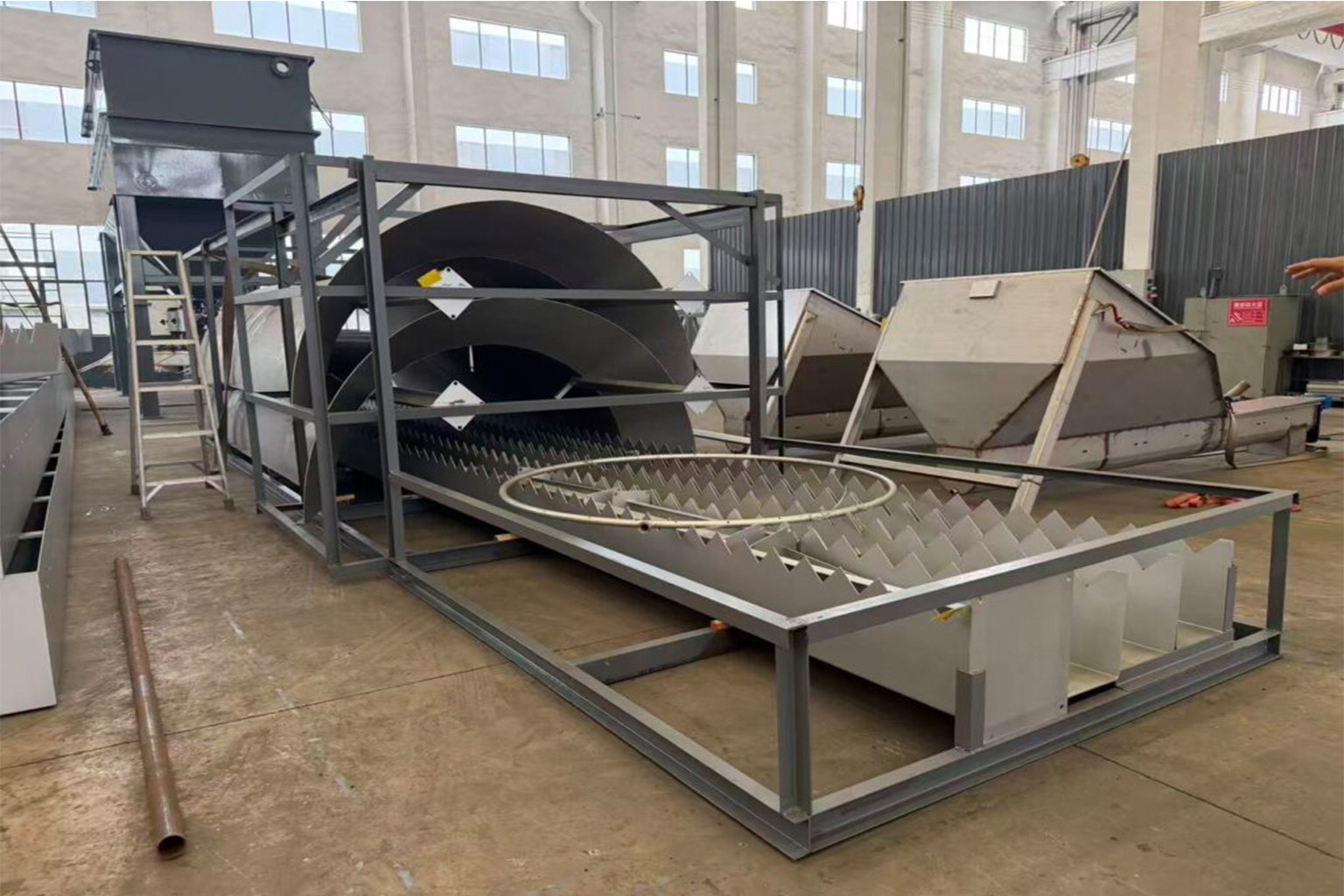
Comparison of Standard and Custom Water Treatment Equipment
Choosing between standard and customized equipment depends on wastewater complexity, treatment goals, and project requirements.
| Feature | Standard Equipment | Custom Equipment |
|---|---|---|
| Design | Fixed configuration | Engineering-based design |
| Application | General wastewater | Complex industrial wastewater |
| Installation | Faster | Requires engineering planning |
| Flexibility | Limited adjustment | High adaptability |
| Long-term efficiency | Moderate | Optimized performance |
For industries with complex wastewater characteristics, customized solutions usually provide better reliability and lower lifecycle costs.
How Syneraqua Develops Custom Water Treatment Equipment Solutions
Syneraqua follows a systematic engineering approach to design customized treatment equipment:
Wastewater analysis and project evaluation
Process selection and technical design
Equipment manufacturing and integration
Installation guidance and commissioning
Operation optimization and technical support
By combining engineering expertise with advanced treatment technologies, Syneraqua helps customers build efficient, reliable, and sustainable water treatment systems.
Conclusion
Custom water treatment equipment design requires careful consideration of water characteristics, treatment processes, equipment capacity, automation requirements, and compliance standards. A successful system is not only capable of meeting current treatment targets but also provides operational stability, energy efficiency, and future adaptability. With customized engineering capabilities and integrated treatment technologies, Syneraqua supports industrial customers in developing reliable water treatment solutions for challenging applications.
FAQ
1.Why choose custom water treatment equipment instead of standard systems?
Custom equipment is designed according to specific wastewater characteristics, making it more suitable for complex industrial applications.
2. What information is needed before designing water treatment equipment?
Engineers typically require wastewater analysis data, flow rate, treatment goals, discharge standards, and installation conditions.
3. How long does custom water treatment equipment design take?
The timeline depends on project complexity, but engineering design usually requires several weeks from data collection to final approval.
4. Can custom systems be expanded in the future?
Yes. Proper design can include modular structures and reserved capacity for future production expansion.
5. What industries need customized water treatment equipment?
Industries such as pharmaceuticals, electronics, electroplating, food processing, chemicals, and manufacturing often require customized solutions.
6. How does Syneraqua ensure treatment system performance?
Syneraqua combines wastewater analysis, process optimization, equipment integration, and technical support to deliver reliable customized solutions.
References
U.S. Environmental Protection Agency (EPA). Industrial Wastewater Treatment and Effluent Guidelines.
https://www.epa.gov/egInternational Water Association (IWA). Water Management and Digital Water Resources.
https://www.iwa-network.org/U.S. Environmental Protection Agency (EPA). Water Infrastructure and Technology Resources.
https://www.epa.gov/water-infrastructure
