General Approach
Domestic sewage treatment for discharge compliance follows a full-process strategy of “Pretreatment → Biological Treatment → Advanced Treatment → Disinfection & Discharge.” Targeting primary pollutants in domestic sewage—including organic matter (COD, BOD), suspended solids (SS), and nutrients (NH₃-N, TN, TP)—the synergistic action of biochemical reactions and physicochemical treatment ensures stable effluent compliance with Class 1A standards under the Discharge Standard of Pollutants for Municipal Wastewater Treatment Plants (GB 18918) or more stringent local discharge limits.
Core Technical Routes
① Screening + Grit Removal + Flow Equalization: Coarse and fine screens intercept suspended materials such as hair and plastic bags. Grit chambers remove sand and gravel. Equalization basins balance flow and water quality. Applicable to pretreatment sections of municipal wastewater plants and residential community treatment stations.
② AAO / MBR Biological Process: The anaerobic-anoxic-aerobic combined process achieves simultaneous nitrogen and phosphorus removal. MBR membrane bioreactors replace secondary clarifiers with membrane separation, providing high sludge concentration and superior effluent quality. Applicable to new construction or upgrade of municipal wastewater treatment plants, with effluent achieving Class 1A or higher standards.
③ Oxidation Ditch / SBR and Variant Processes: Oxidation ditches (Orbal, Carrousel) provide extended aeration with shock resistance and long sludge retention time. SBR and variants (CASS, CAST, MSBR) offer flexible temporal and spatial control. Applicable to small and medium-sized treatment stations or integrated equipment.
④ Advanced Treatment (High-Efficiency Sedimentation + Filtration): Chemical phosphorus removal with PAC combined with high-efficiency sedimentation tanks removes TP. V-type filters or rotary disc filters retain SS. Activated carbon adsorption removes trace organics. Applicable to upgrade projects where discharge standards have been tightened from Class 1B to Class 1A.
⑤ UV Disinfection / Sodium Hypochlorite Disinfection: UV lamps or sodium hypochlorite solution eliminate fecal coliforms and other pathogenic microorganisms. Applicable to effluent disinfection at urban wastewater treatment plants. Sensitive areas may require concurrent dechlorination processes.
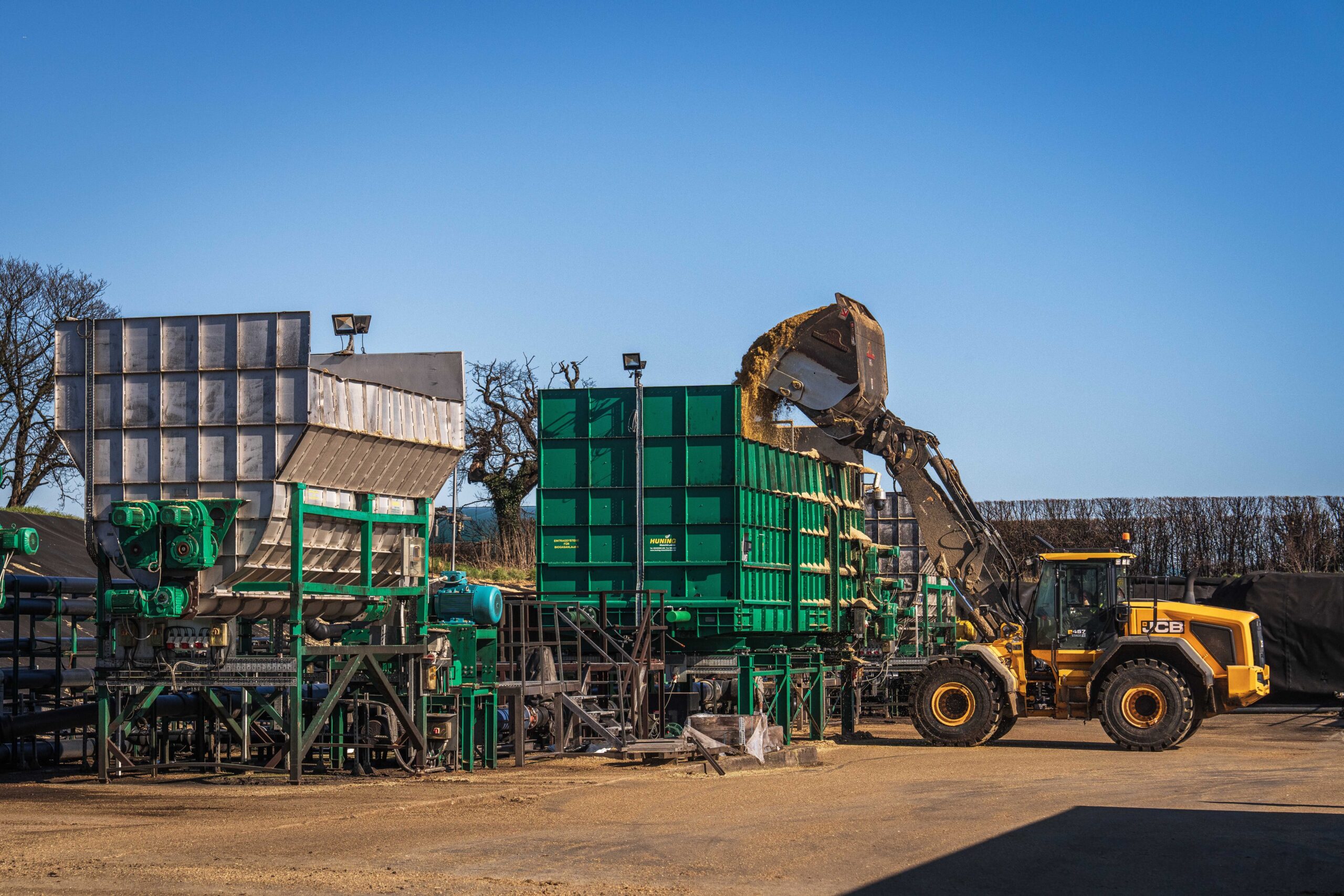
⑥ Sludge Treatment (Thickening + Dewatering + Drying / Incineration): Gravity or mechanical thickening reduces sludge moisture content. Plate and frame filter presses or centrifugal dewatering achieve further volume reduction. Aerobic composting or drying and incineration achieve sludge stabilization and reduction. Applicable to treatment plants with established sludge disposal pathways.
Key Considerations
The core principle of domestic sewage treatment for discharge compliance is “Stable Operation, Reliable Compliance.” Biological system design must consider carbon source adequacy—influent BOD/COD ratio ≥0.3 indicates favorable biodegradability. Low winter temperatures affect biological reaction rates; cold regions require insulation measures or extended HRT.
Phosphorus removal requires synergistic combination of chemical and biological phosphorus removal; biological phosphorus removal alone rarely achieves stable compliance.