General Approach
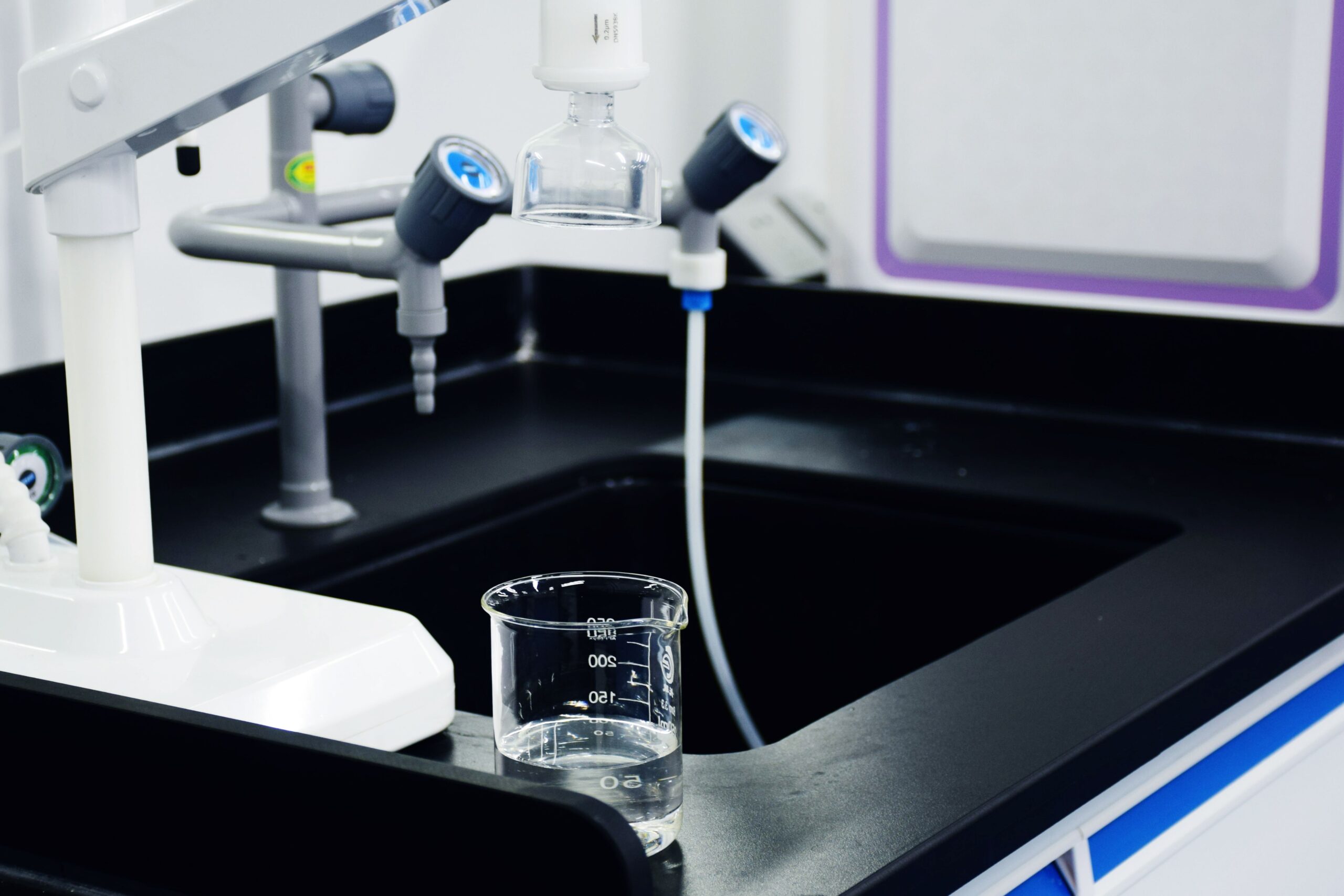
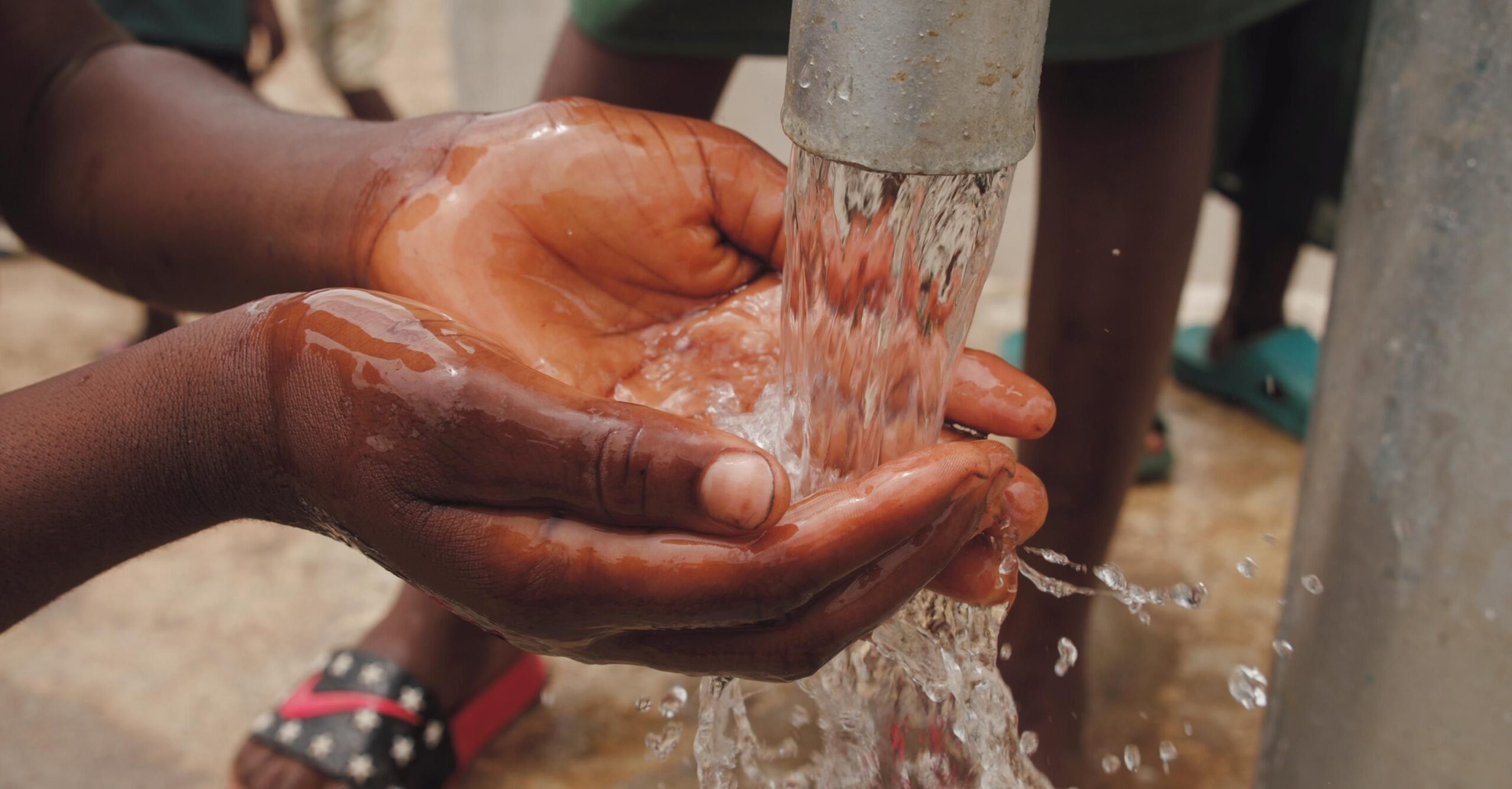
Direct drinking water treatment follows a full-process quality assurance strategy of “Pretreatment → Membrane Separation → Post-Treatment → Circulation & Distribution → Point-of-Use Consumption.” Multi-stage membrane separation (UF, RO, NF) removes virtually all impurities from water, followed by post-treatment including activated carbon adsorption, mineralization adjustment, and trace element supplementation. The finished water quality meets or exceeds the Water Quality Standards for Fine Drinking Water (CJ 94) or WHO guidelines for direct drinking water, achieving the objective of safe consumption directly from the tap.
Core Technical Routes
① Pretreatment + Precision Filtration: Sand filtration and activated carbon adsorption remove residual chlorine, organic matter, and colloids. Five-micron cartridge security filters retain suspended solids, protecting downstream membrane systems from fouling. Applicable to direct drinking water projects using tap water or compliant surface water as source water.
② UF Ultrafiltration Membrane Filtration: Ultrafiltration membranes with pore sizes of 0.01 to 0.1 μm retain bacteria, viruses, colloids, and macromolecular organics while preserving natural minerals in water. Applicable as pretreatment for direct drinking water systems or as a protective stage preceding reverse osmosis.
③ RO Reverse Osmosis or NF Nanofiltration: Reverse osmosis removes nearly all dissolved salts, heavy metals, and trace organics. Nanofiltration selectively removes hardness and sulfates while retaining beneficial minerals. Applicable to high-quality direct drinking water or specialized water for tea preparation and cooking.
④ Post-Treatment (Activated Carbon + Mineralization + Ozone Sterilization): Coconut shell activated carbon adsorbs trace organics and residual off-flavors. Mineralization filter media including calcite and magnesium oxide adjust pH to 7.0 to 8.5 while supplementing beneficial trace elements such as calcium, magnesium, and strontium. Combined ozone and UV sterilization provides microbial control. Applicable to quality enhancement of RO and NF permeate.
⑤ Circulation & Constant Pressure Distribution System: Variable frequency constant pressure pumps maintain stable pipeline network pressure. Circulation loops prevent stagnant zones and secondary water quality deterioration. Piping materials utilize stainless steel or food-grade PPR. Applicable to centralized direct drinking water systems in residential communities, office buildings, and schools.
Key Considerations
The core principles of direct drinking water treatment are “Removing Harmful Substances, Retaining Beneficial Elements, and Ensuring Excellent Taste.” The combined process of “Activated Carbon + UF + RO (or NF)” is recommended. RO permeate should be configured with mineralization filter media to prevent excessively low pH levels.