General Approach
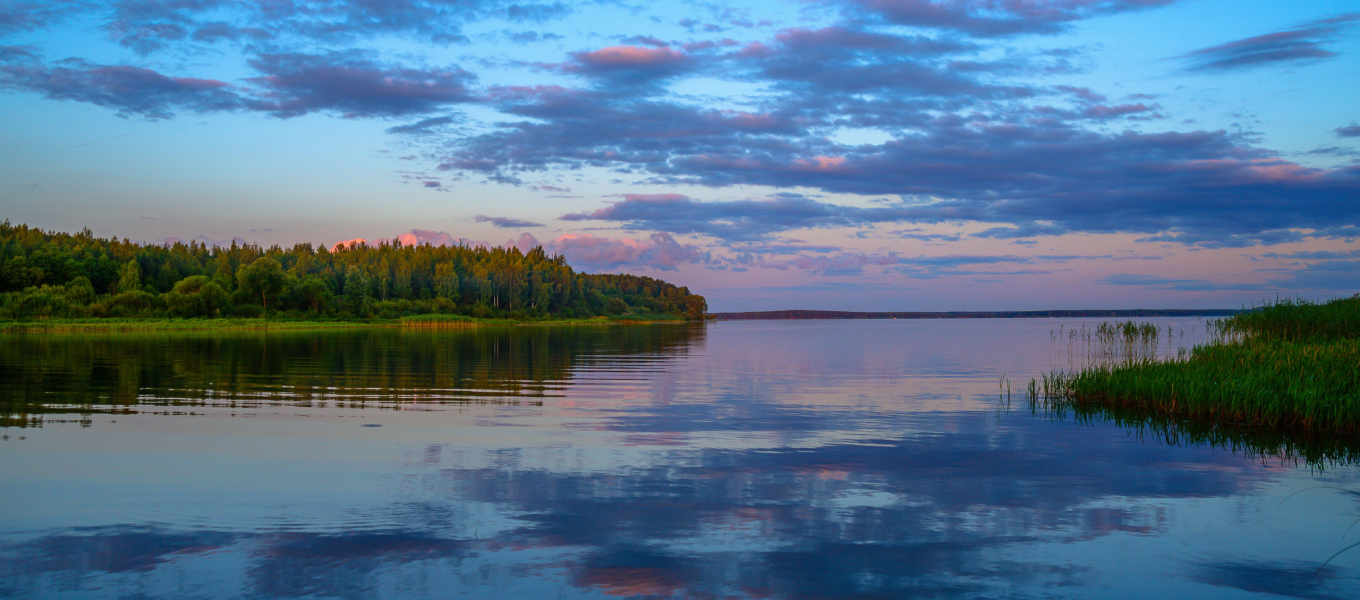
Landscape water treatment follows a four-stage progressive strategy: “Source Control & Pollution Interception → Water Quality Purification → Ecological Construction → Landscape Enhancement.”
Core Technical Routes
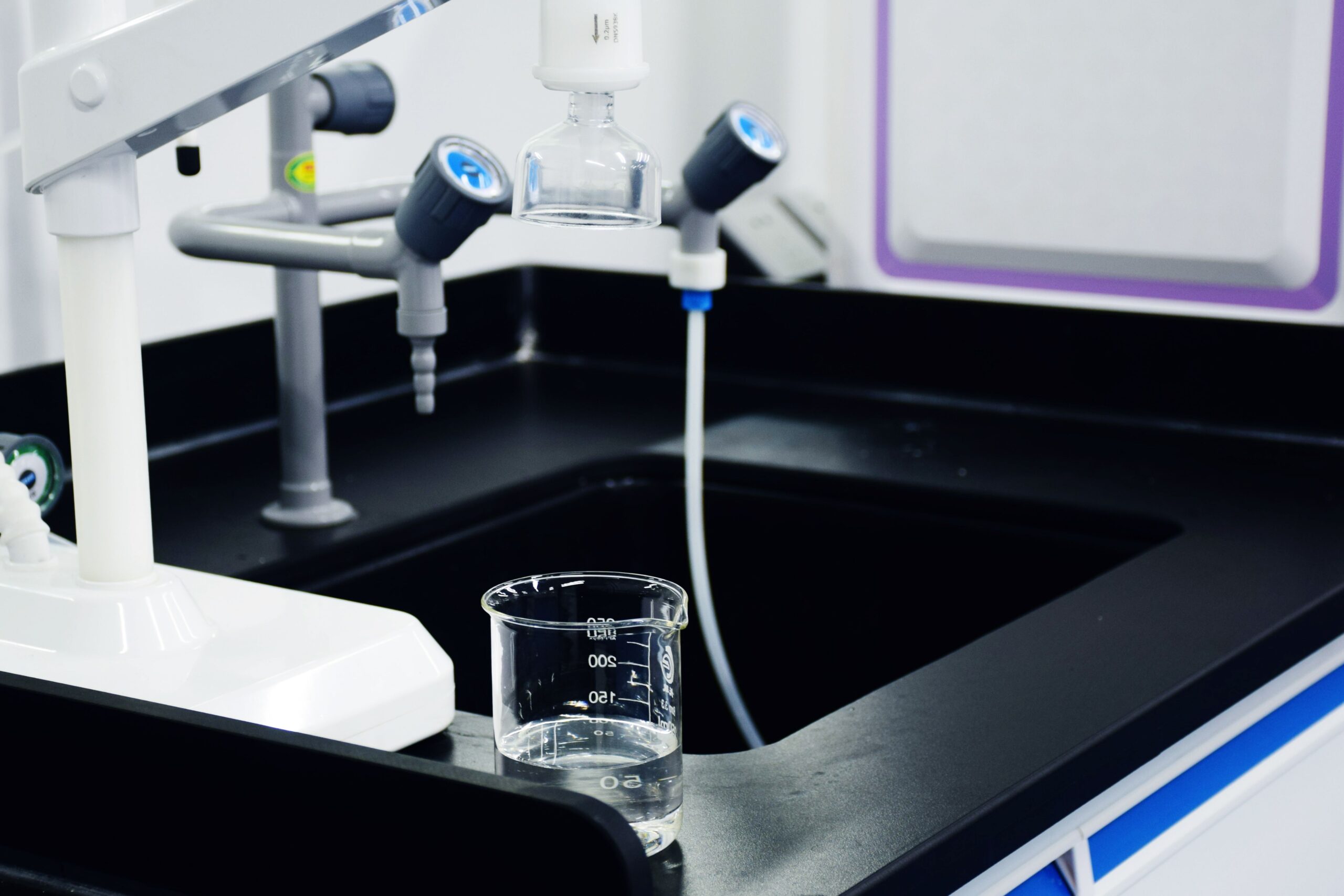
① Circulation Filtration + Purification Equipment: Landscape water bodies are equipped with recirculation pumps and sand filters or ultrafiltration units for regular water purification, removing suspended solids and algae. Applicable to enclosed artificial landscape lakes, fountain water features, and residential community water bodies.
② Ecological Floating Islands + Submerged Plants: Floating island plants (canna, calamus) absorb nitrogen and phosphorus through root systems, while submerged plants (vallisneria, myriophyllum) provide oxygenation and algae inhibition, establishing an “underwater forest.” Applicable to urban park lakes, wetland parks, and landscape river channels.
③ Micro-Nano Aeration + Microbial Agents: Micro-nano bubble aeration improves dissolved oxygen levels in bottom waters, while indigenous microbial agents enhance organic matter degradation. Applicable to eutrophic landscape water bodies, sediment black-odor conditions, and water odor control.
④ Ecological Revetment + Buffer Zones: Natural gabion revetments combined with riparian wetland plant buffer zones intercept non-point source pollution. Applicable to landscape river channel bank rehabilitation and urban waterfront greenbelt construction.
⑤ Aquatic Fauna Regulation: Strategic deployment of fish species (silver carp for algae filtration), mollusks (snails and mussels for benthic purification), and aquatic insects establishes a complete food web. Applicable to larger park lakes and wetland-type landscape water bodies.
⑥ Water Exchange + Replenishment Scheduling: Regular introduction of clean source water for replacement, combined with water level regulation to maintain hydrodynamic conditions and prevent stagnation and deterioration. Applicable to urban moat and landscape lake water exchange projects.
Key Considerations
Landscape water treatment must balance the dual objectives of water quality compliance and landscape aesthetics. Sole reliance on chemical treatment may damage the ecosystem and generate secondary pollution. An “Ecology-First, Natural Purification” approach is recommended.
Establishing a stable ecosystem typically requires 1 to 2 growing seasons (approximately 6 to 12 months). Subsequent management should emphasize ecological maintenance with regular water quality monitoring to prevent ecosystem degradation.