Hospital wastewater treatment is essential for protecting public health and the environment. Unlike municipal sewage, hospital effluent contains pathogens, pharmaceutical residues, antibiotic-resistant bacteria, laboratory chemicals, disinfectants, and radioactive traces. Without effective treatment, these contaminants may enter natural water bodies and pose significant environmental and health risks. Modern healthcare facilities increasingly require advanced wastewater treatment systems that combine biological treatment, chemical processes, membrane technologies, and reliable disinfection. As a professional provider of industrial water treatment solutions, Syneraqua helps hospitals design customized wastewater treatment systems that meet local and international discharge requirements while reducing operating costs.
What Is Hospital Wastewater Treatment?
Hospital wastewater treatment is the process of removing biological, chemical, and pharmaceutical contaminants from healthcare wastewater before it is discharged or reused, ensuring compliance with environmental regulations and protecting public health.
Hospital wastewater differs significantly from domestic sewage because it may contain:
Infectious microorganisms
Antibiotic-resistant bacteria (ARB)
Pharmaceutical compounds
Laboratory reagents
Blood and body fluids
Chemical disinfectants
According to the World Health Organization (WHO) healthcare wastewater management guidelines, healthcare facilities generate wastewater containing potentially hazardous biological and chemical pollutants, which requires proper collection, treatment, and management to minimize infection risks. A complete treatment system typically includes preliminary treatment, biological treatment, advanced polishing, and final disinfection.
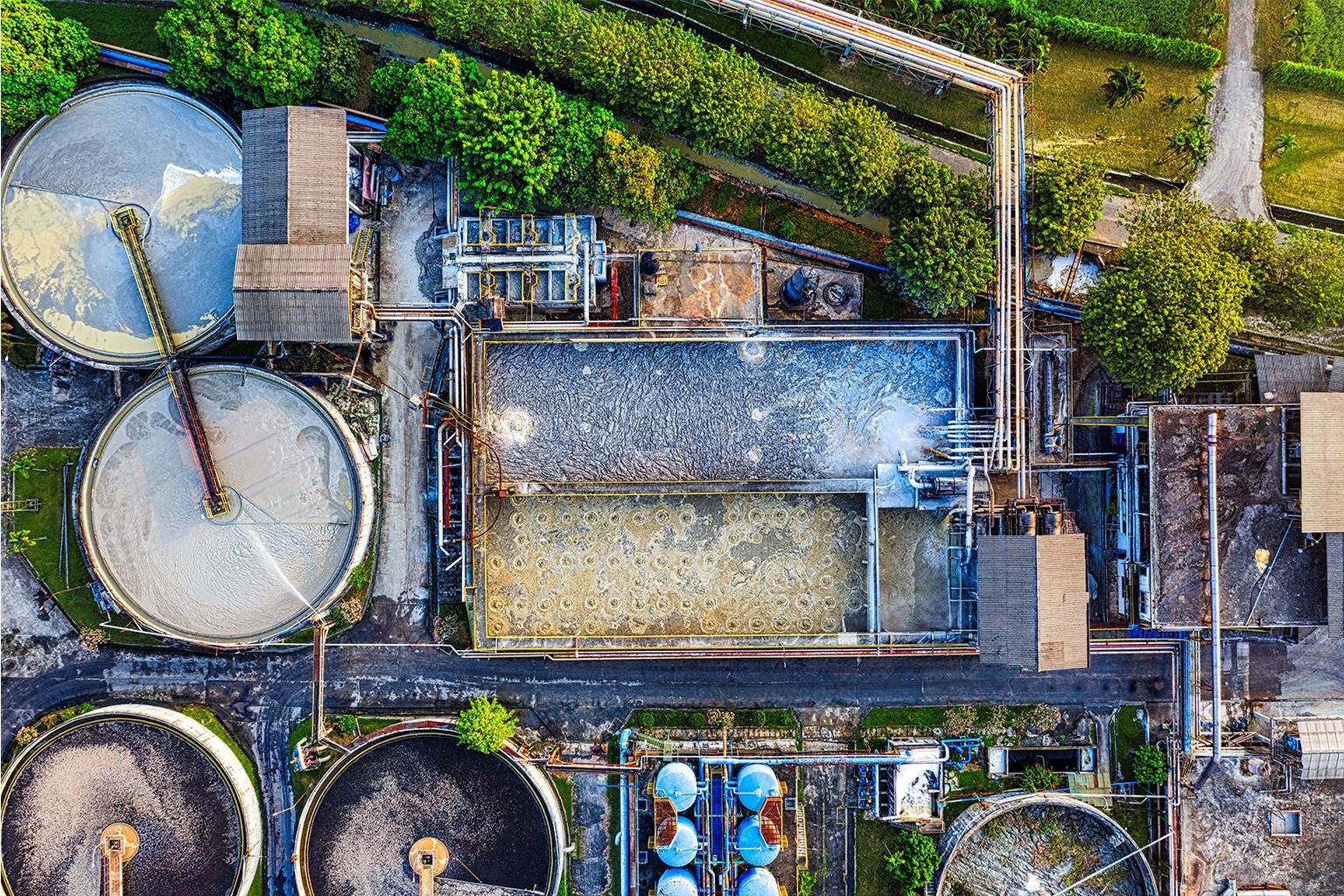
Hospital Wastewater Treatment Process
Hospital wastewater treatment follows a multi-stage process designed to remove solids, organic pollutants, pathogens, nutrients, and trace contaminants before discharge.
A typical treatment flow includes:
| Treatment Stage | Primary Purpose |
|---|---|
| Screening & Grit Removal | Remove large debris and protect equipment |
| Equalization Tank | Stabilize flow and pollutant concentration |
| Biological Treatment (A/O, MBR, MBBR) | Remove BOD, COD and ammonia |
| Advanced Treatment | Remove suspended solids, pharmaceuticals and nutrients |
| Disinfection | Destroy bacteria, viruses and pathogens |
| Final Discharge or Reuse | Meet regulatory discharge standards |
Many modern hospitals adopt Membrane Bioreactor (MBR) technology because it combines biological treatment with membrane filtration, producing excellent effluent quality while reducing plant footprint.
Well-designed systems can typically achieve:
COD removal above 90%
BOD removal above 95%
Suspended solids below 10 mg/L
Significant pathogen reduction before disinfection
Syneraqua provides customized solutions based on hospital size, wastewater characteristics, discharge standards, and available installation space.
Hospital Wastewater Disinfection Methods
Disinfection is the final treatment step that inactivates harmful microorganisms before treated wastewater is discharged into the environment. Three major disinfection technologies are commonly used.
| Method | Advantages | Considerations |
|---|---|---|
| Chlorination | Low cost, mature technology | May generate disinfection by-products |
| UV Disinfection | Chemical-free, rapid treatment | Requires low turbidity water |
| Ozone | Strong oxidation, removes odor | Higher investment and energy consumption |
Many hospitals combine biological treatment with UV or sodium hypochlorite disinfection to achieve reliable pathogen control. Proper disinfection is especially important because hospital wastewater may contain viruses, bacteria, fungi, and antibiotic-resistant microorganisms that conventional treatment alone cannot completely eliminate.
Hospital Wastewater Compliance and Future Trends
Compliance means ensuring treated hospital wastewater consistently meets applicable national or regional discharge standards through proper treatment, monitoring, and operation. Healthcare facilities are increasingly required to monitor wastewater quality parameters such as COD, BOD, nutrients, suspended solids, residual chlorine, and microbial indicators to ensure regulatory compliance. In the United States, wastewater discharge requirements are managed under frameworks such as the EPA National Pollutant Discharge Elimination System (NPDES) regulations, which establishes standards for controlling pollutant discharge into water bodies. In addition to conventional pollutants, many countries are paying greater attention to pharmaceutical residues and antimicrobial resistance in wastewater.
Future trends include:
Smart online monitoring
AI-assisted plant optimization
Energy-efficient MBR systems
Water reuse and recycling
Advanced oxidation processes (AOPs)
Syneraqua integrates intelligent automation and high-efficiency treatment technologies to help hospitals reduce operating costs while maintaining long-term regulatory compliance.
Conclusion
Hospital wastewater treatment is far more complex than conventional municipal sewage treatment. A well-designed system must effectively remove organic pollutants, pathogens, pharmaceutical residues, and emerging contaminants while meeting increasingly strict environmental regulations.
Selecting the appropriate combination of biological treatment, advanced filtration, and disinfection technologies is essential for reliable long-term operation. With extensive experience in industrial and municipal water treatment, Syneraqua provides customized hospital wastewater treatment solutions that improve treatment efficiency, simplify operation, and support sustainable healthcare infrastructure worldwide.
FAQ
1.Why is hospital wastewater different from municipal sewage?
Hospital wastewater contains infectious microorganisms, pharmaceuticals, disinfectants, laboratory chemicals, and antibiotic-resistant bacteria that require specialized treatment.
2. What is the best technology for hospital wastewater treatment?
There is no universal solution. MBR systems are widely recommended because they provide excellent effluent quality, compact design, and stable operation.
3. Which disinfection method is most commonly used?
Chlorination remains the most common method, while UV and ozone are increasingly adopted where higher water quality or lower chemical use is required.
4. Can treated hospital wastewater be reused?
Yes. After advanced treatment and proper disinfection, treated water can often be reused for landscape irrigation, toilet flushing, or cooling systems, depending on local regulations.
5. How often should hospitals monitor wastewater quality?
Most regulations require routine monitoring, while many modern treatment plants use continuous online monitoring for key water quality parameters.
6. How can Syneraqua help hospitals?
Syneraqua provides customized hospital wastewater treatment solutions, including process design, equipment manufacturing, membrane systems, automation, installation support, and technical services for healthcare facilities worldwide.
References
World Health Organization (WHO): https://www.who.int/publications/i/item/9789241548564
United States Environmental Protection Agency (EPA): https://www.epa.gov/npdes
