Pharmaceutical wastewater treatment refers to the engineered process of removing organic pollutants, toxic compounds, active pharmaceutical ingredients (APIs), and other contaminants from pharmaceutical manufacturing wastewater before discharge or reuse. Pharmaceutical production generates some of the most complex industrial wastewater streams due to high chemical oxygen demand (COD), fluctuating pollutant concentrations, and the presence of difficult-to-degrade organic compounds. Compared with municipal wastewater, pharmaceutical effluent often requires customized treatment solutions combining physical, chemical, and biological technologies. According to industry research, pharmaceutical wastewater COD levels can range from 1,000 mg/L to more than 50,000 mg/L, depending on production processes and product categories. Antibiotics, hormones, synthetic drugs, and chemical intermediates typically create wastewater with high toxicity and poor biodegradability. For pharmaceutical companies seeking reliable wastewater treatment systems, Syneraqua provides customized industrial wastewater treatment solutions designed for high-load and complex wastewater applications.
Why High-COD Pharmaceutical Wastewater Requires Advanced Treatment Technologies
High-COD pharmaceutical wastewater contains concentrated organic pollutants that consume large amounts of oxygen during degradation, making conventional treatment methods insufficient for many applications.
The main challenges include:
| Challenge | Impact on Treatment |
|---|---|
| Extremely high COD concentration | Increases biological treatment load and operating costs |
| Low biodegradability (low B/C ratio) | Reduces efficiency of conventional biological systems |
| Toxic pharmaceutical residues | Inhibits microbial activity |
| Variable wastewater composition | Requires flexible process design |
| Strict discharge regulations | Requires advanced polishing treatment |
High-COD wastewater is particularly challenging because COD represents both biodegradable and non-biodegradable organic matter. A treatment system must reduce COD while maintaining stable operation under changing wastewater conditions. Regulatory requirements vary by region, but pharmaceutical wastewater treatment commonly targets COD reduction rates above 80–95% before discharge, depending on local standards and wastewater characteristics. Syneraqua designs wastewater treatment solutions based on wastewater analysis, including COD concentration, biodegradability, toxicity, and discharge requirements.
Key Pharmaceutical Wastewater Treatment Methods for High-COD Effluent
Pharmaceutical production generates some of the most complex industrial wastewater streams due to high chemical oxygen demand (COD), fluctuating pollutant concentrations, and the presence of difficult-to-degrade organic compounds. The presence of pharmaceutical residues in water systems has become an increasing environmental concern because certain active pharmaceutical ingredients may persist in aquatic environments and require effective wastewater management strategies.
1.Pretreatment: Removing High Loads Before Biological Treatment
Pretreatment is the first stage of pharmaceutical wastewater treatment, designed to reduce suspended solids, oil, toxic substances, and excessive organic loads before advanced treatment.
Common pretreatment technologies include:
Screening and filtration
Equalization tanks
pH adjustment
Coagulation and flocculation
Dissolved air flotation (DAF)
Equalization tanks are especially important because pharmaceutical wastewater flow and pollutant concentration can fluctuate significantly during production cycles. Stabilizing wastewater characteristics improves downstream treatment efficiency.
2. Biological Treatment: Cost-Effective COD Reduction
Biological treatment uses microorganisms to convert biodegradable organic pollutants into carbon dioxide, water, and biomass.
Common biological processes include:
| Technology | COD Removal Efficiency | Application |
|---|---|---|
| Activated sludge | 70–90% | Medium COD wastewater |
| Anaerobic digestion | 80–95% | High COD wastewater with high organic load |
| MBR (Membrane Bioreactor) | 90–98% | Strict discharge requirements |
Anaerobic treatment is widely used for pharmaceutical wastewater because it can handle high COD concentrations while producing biogas as an energy source. However, some pharmaceutical compounds are resistant to biodegradation, requiring additional advanced oxidation or membrane technologies.
3. Advanced Oxidation Processes (AOPs): Breaking Down Resistant Pollutants
Advanced oxidation processes are chemical treatment methods that generate powerful oxidizing agents, such as hydroxyl radicals, to destroy complex pharmaceutical contaminants.
Typical AOP technologies include:
Ozone oxidation
Fenton reaction
UV/H₂O₂ oxidation
Electrochemical oxidation
AOP technologies are effective for removing persistent organic compounds and improving wastewater biodegradability. They are often applied after biological treatment as polishing steps. According to wastewater engineering studies, ozone and Fenton oxidation can significantly reduce pharmaceutical residues and improve COD removal when properly optimized.
4. Membrane Treatment Technologies for High-Quality Effluent
Membrane technologies separate contaminants through physical filtration using selective membranes.
Common membrane processes include:
| Technology | Main Function | Suitable Application |
|---|---|---|
| Ultrafiltration (UF) | Removes suspended solids and microorganisms | Pretreatment |
| Nanofiltration (NF) | Removes dissolved organic compounds | Advanced purification |
| Reverse Osmosis (RO) | Produces high-quality water | Water reuse applications |
Membrane bioreactor (MBR) systems combine biological treatment and membrane separation, providing high-quality effluent with a smaller footprint. Syneraqua also provides integrated solutions such as:
Reverse Osmosis Water Treatment Systems
Customized pharmaceutical wastewater treatment engineering services
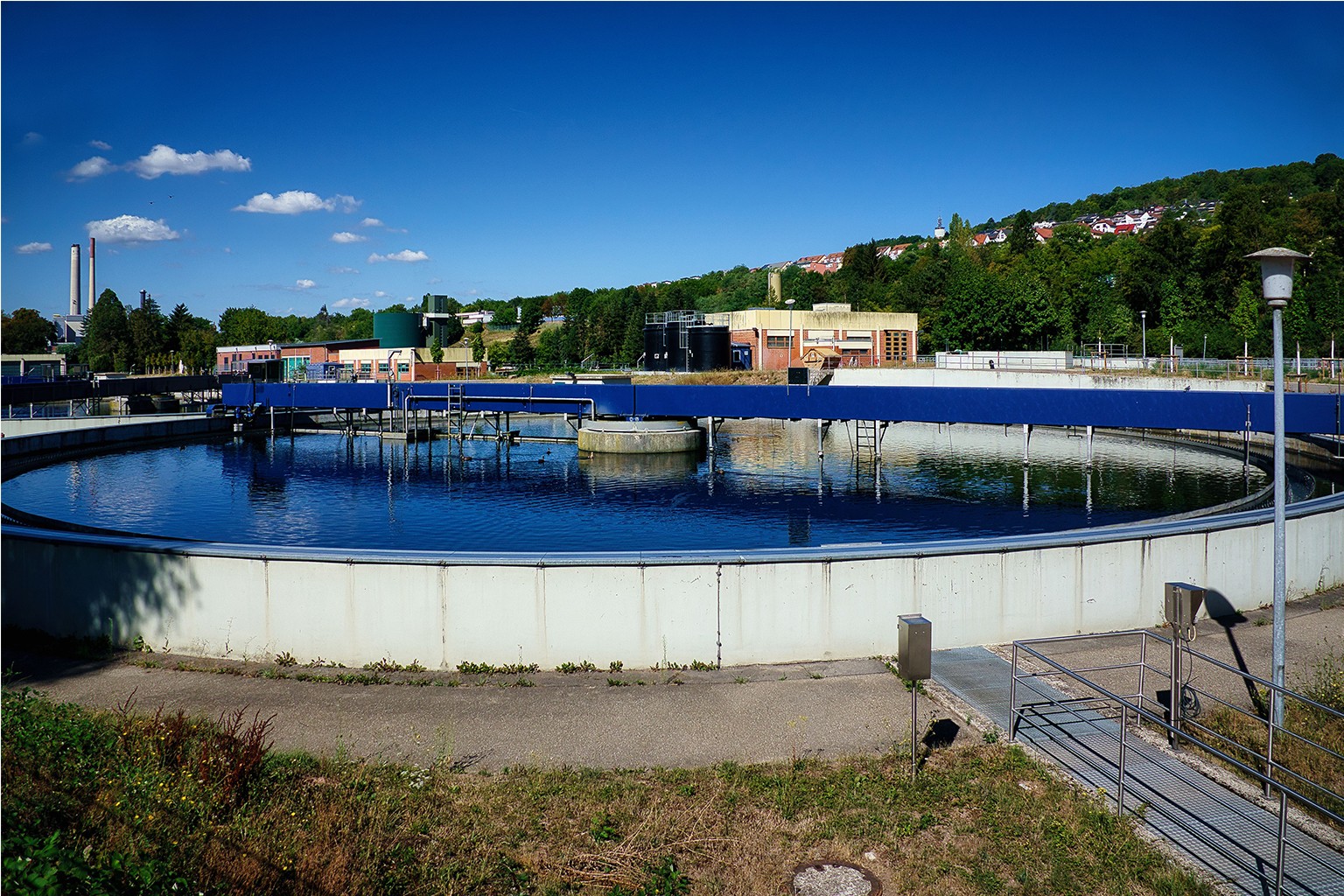
Comparison of Pharmaceutical Wastewater Treatment Technologies
Choosing the right treatment method depends on COD concentration, wastewater composition, required discharge standards, and operating costs. Industrial wastewater treatment technology selection requires a detailed evaluation of pollutant characteristics and treatment performance. The industrial wastewater treatment technology database developed by the U.S. EPA provides technical information on wastewater treatment approaches and industrial applications.
| Treatment Method | Advantages | Limitations | Best Application |
|---|---|---|---|
| Activated Sludge | Mature technology, lower cost | Sensitive to toxic compounds | Moderate COD wastewater |
| Anaerobic Treatment | Handles high COD, produces energy | Requires stable operation | High-organic-load wastewater |
| AOP | Removes difficult pollutants | Higher chemical/energy cost | Refractory pharmaceutical compounds |
| MBR | Excellent effluent quality, compact design | Higher investment | Strict discharge and reuse |
| RO/NF | High purification efficiency | Concentrate disposal required | Water reuse |
A complete pharmaceutical wastewater treatment system often combines several technologies rather than relying on a single process.
How Syneraqua Designs Effective Pharmaceutical Wastewater Treatment Solutions
Syneraqua develops customized wastewater treatment systems based on actual pharmaceutical wastewater characteristics.
The typical engineering approach includes:
Wastewater sampling and laboratory analysis
COD, BOD, toxicity, and biodegradability evaluation
Process selection and optimization
Equipment integration and system commissioning
Long-term operation support
By combining biological treatment, advanced oxidation, membrane filtration, and automation control technologies, Syneraqua helps pharmaceutical manufacturers achieve stable wastewater treatment performance while reducing operational risks.
Conclusion
High-COD pharmaceutical wastewater requires a carefully designed treatment strategy rather than a single treatment technology. Pretreatment, anaerobic digestion, biological processes, advanced oxidation, and membrane filtration each play important roles in achieving efficient COD removal and regulatory compliance. For pharmaceutical manufacturers, selecting a wastewater treatment partner with engineering expertise is essential. Syneraqua provides customized pharmaceutical wastewater treatment solutions designed for complex industrial wastewater challenges, helping customers achieve reliable performance, environmental compliance, and sustainable water management.
FAQ
1.What is the COD level of pharmaceutical wastewater?
Pharmaceutical wastewater COD levels commonly range from 1,000 mg/L to over 50,000 mg/L, depending on manufacturing processes and chemical compositions.
2. Which treatment method is best for high-COD pharmaceutical wastewater?
For high-COD wastewater, combined systems using anaerobic treatment, biological processes, and advanced oxidation are usually more effective than single-stage treatment.
3. Can biological treatment remove pharmaceutical residues?
Biological treatment can remove many biodegradable pollutants, but some pharmaceutical compounds require advanced oxidation or membrane treatment for complete removal.
4. How does anaerobic treatment help pharmaceutical wastewater treatment?
Anaerobic treatment efficiently reduces high organic loads, produces biogas, and lowers energy consumption compared with some aerobic processes.
5. What factors determine pharmaceutical wastewater treatment system design?
Key factors include COD concentration, wastewater volume, biodegradability, toxic substances, discharge standards, and water reuse requirements.
6. Why choose Syneraqua for pharmaceutical wastewater treatment solutions?
Syneraqua provides customized wastewater treatment engineering based on detailed wastewater analysis, helping pharmaceutical companies achieve stable operation and compliance with environmental regulations.
References
World Health Organization (WHO). Pharmaceuticals in Drinking-water: Public Health and Environmental Considerations.
Available at: https://www.who.int/publications/i/item/9789241502085U.S. Environmental Protection Agency (EPA). Industrial Wastewater Treatment Technology Database (IWTT).
Available at: https://watersgeo.epa.gov/iwtt/about
