Electroplating wastewater treatment is an industrial water purification process designed to remove toxic heavy metals, chemicals, and contaminants generated during metal plating operations. Electroplating industries such as automotive manufacturing, electronics, aerospace, and precision machining produce wastewater containing high concentrations of heavy metals, including chromium (Cr), nickel (Ni), copper (Cu), zinc (Zn), cadmium (Cd), and lead (Pb). Without proper treatment, these pollutants can accumulate in ecosystems and pose serious environmental risks. According to industrial wastewater studies, electroplating wastewater may contain heavy metal concentrations ranging from tens to thousands of mg/L, depending on plating processes and chemical usage. Because heavy metals are non-biodegradable, effective removal requires specialized physical, chemical, and membrane treatment technologies. Syneraqua provides customized industrial wastewater treatment solutions designed to help electroplating manufacturers achieve discharge compliance, recover valuable resources, and improve wastewater management efficiency.
Why Electroplating Wastewater Requires Advanced Heavy Metal Removal Technologies
Electroplating wastewater treatment refers to the removal of dissolved metals, toxic chemicals, and suspended pollutants from plating process wastewater to meet environmental discharge standards. Unlike organic pollutants, heavy metals cannot be naturally degraded. They remain persistent in the environment and may accumulate in living organisms. The U.S. Environmental Protection Agency (EPA) identifies industries involving metal finishing and electroplating as important sources requiring strict wastewater discharge control.
Common pollutants in electroplating wastewater include:
| Pollutant | Source | Environmental Concern |
|---|---|---|
| Hexavalent chromium (Cr⁶⁺) | Chrome plating | Highly toxic and carcinogenic |
| Nickel (Ni) | Nickel plating | Harmful to aquatic organisms |
| Copper (Cu) | Copper plating | Toxic at elevated concentrations |
| Zinc (Zn) | Zinc coating | Causes ecological imbalance |
| Cyanide compounds | Certain plating processes | Extremely toxic |
Heavy metal wastewater treatment requires accurate process design because wastewater characteristics vary significantly between different plating operations.
Main Electroplating Wastewater Treatment Methods for Heavy Metals Removal
Electroplating wastewater treatment methods combine multiple technologies to achieve high removal efficiency, stable operation, and regulatory compliance.
Chemical Precipitation: The Most Common Heavy Metal Removal Method
Chemical precipitation is a widely used electroplating wastewater treatment technology that converts dissolved heavy metals into insoluble compounds for separation. The process usually involves pH adjustment and chemical reactions using agents such as hydroxides or sulfides. Metal ions are transformed into precipitates that can be removed through sedimentation or filtration.
Typical removal efficiency:
Chromium: 95–99%
Nickel: 90–98%
Copper: 95–99%
Zinc: 90–98%
However, chemical precipitation produces sludge that requires proper disposal or recycling management.
Oxidation-Reduction Treatment for Chromium Removal
Hexavalent chromium (Cr⁶⁺) is one of the most challenging pollutants in electroplating wastewater because of its toxicity. The standard treatment approach is chemical reduction, where Cr⁶⁺ is converted into less toxic trivalent chromium (Cr³⁺), followed by precipitation.
Common reducing agents include:
Sodium metabisulfite
Ferrous sulfate
Sulfur dioxide
The treated chromium concentration can typically be reduced to meet strict industrial discharge requirements when the process is properly controlled.
Membrane and Advanced Filtration Technologies
Membrane treatment technologies provide advanced separation capabilities for removing dissolved metals and producing reusable water.
Common membrane technologies include:
| Technology | Function | Application |
|---|---|---|
| Ultrafiltration (UF) | Removes suspended solids and metal hydroxide particles | Pretreatment |
| Nanofiltration (NF) | Removes dissolved metal ions and organics | Advanced purification |
| Reverse Osmosis (RO) | Produces high-quality recycled water | Water reuse |
Membrane systems are increasingly used in electroplating facilities where water recycling and zero liquid discharge (ZLD) goals are required. Syneraqua integrates membrane filtration with conventional treatment technologies to provide customized solutions for complex industrial wastewater applications.
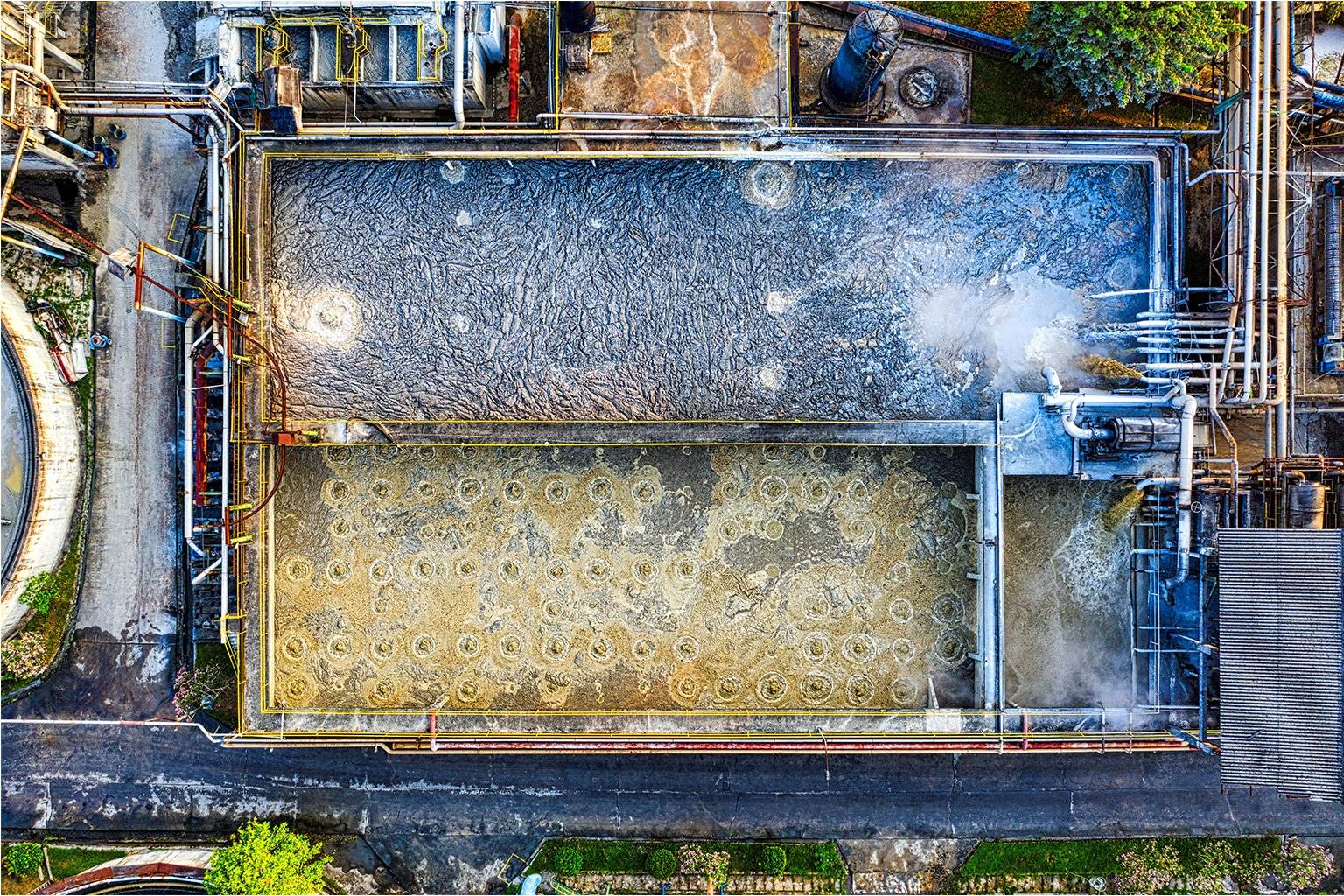
Comparison of Electroplating Wastewater Treatment Technologies
Selecting the right treatment method depends on wastewater composition, metal concentration, discharge requirements, and water reuse objectives.
| Treatment Technology | Advantages | Limitations | Suitable Application |
|---|---|---|---|
| Chemical Precipitation | Low cost, mature technology, high metal removal | Produces sludge | General electroplating wastewater |
| Ion Exchange | High metal recovery efficiency | Higher operating cost | Valuable metal recovery |
| Membrane Filtration | Produces high-quality water | Membrane fouling risk | Water reuse applications |
| Electrochemical Treatment | Less chemical consumption | Higher energy demand | Advanced treatment |
| Biological Treatment | Lower chemical usage | Limited for heavy metals | Supporting treatment |
A complete electroplating wastewater treatment system often combines several processes, such as equalization, chemical treatment, filtration, and membrane purification.
Compliance Standards and Sustainable Electroplating Wastewater Solutions
Industrial wastewater regulations require electroplating companies to control heavy metal discharge levels. Treatment systems must be designed according to local environmental requirements and wastewater characteristics. The EPA provides technical information on industrial wastewater treatment technologies and pollutant management through its Industrial Wastewater Treatment Technology Database.
Additionally, international organizations emphasize the importance of controlling heavy metal pollution because metals such as chromium and lead can persist in water environments. The World Health Organization (WHO) provides guidance on managing chemical contaminants in water systems through its water quality and chemical safety resources. Syneraqua helps manufacturers develop reliable wastewater treatment systems through wastewater analysis, process optimization, equipment integration, and long-term technical support.
Conclusion
Heavy metal removal from electroplating wastewater requires a carefully designed treatment strategy combining chemical, physical, and advanced filtration technologies. Chemical precipitation remains the most widely applied method due to its reliability and cost efficiency, while membrane technologies and resource recovery systems provide additional advantages for water reuse and sustainability. By analyzing wastewater characteristics and selecting appropriate treatment processes, Syneraqua delivers customized electroplating wastewater treatment solutions that help industrial customers achieve environmental compliance, reduce operating risks, and improve water management efficiency.
FAQ
1. What heavy metals are commonly found in electroplating wastewater?
Common heavy metals include chromium, nickel, copper, zinc, cadmium, and lead, depending on the plating process.
2. What is the most effective method for removing heavy metals from electroplating wastewater?
Chemical precipitation is the most common method, while membrane filtration, ion exchange, and electrochemical treatment are used for advanced removal and water recycling.
3. Can electroplating wastewater be reused after treatment?
Yes. With advanced treatment technologies such as reverse osmosis and membrane filtration, treated wastewater can often be recycled for industrial reuse.
4. Why is hexavalent chromium difficult to treat?
Hexavalent chromium is highly soluble and toxic, requiring chemical reduction before precipitation and removal.
5. How much heavy metal removal efficiency can wastewater treatment achieve?
Well-designed systems can typically achieve 90–99% removal efficiency for major heavy metals such as chromium, nickel, copper, and zinc.
6. Why choose Syneraqua for electroplating wastewater treatment?
Syneraqua provides customized industrial wastewater treatment solutions based on wastewater analysis, pollutant characteristics, and customer-specific discharge or reuse requirements.
References
U.S. Environmental Protection Agency (EPA). Industrial Wastewater Treatment Technology Database (IWTT).
https://watersgeo.epa.gov/iwtt/aboutWorld Health Organization (WHO). Chemical Safety and Water Quality Resources.
https://www.who.int/teams/environment-climate-change-and-health/water-sanitation-and-health/chemical-safety
