Many facilities struggle with outdated water treatment methods. High costs, inefficiency, and poor monitoring plague traditional systems. Smart automation changes everything.
Smart Water Treatment Control Systems use IoT sensors, AI algorithms, and cloud-based monitoring to optimize filtration, chemical dosing, and equipment performance in real-time – reducing operational costs by up to 35% while improving water quality compliance.
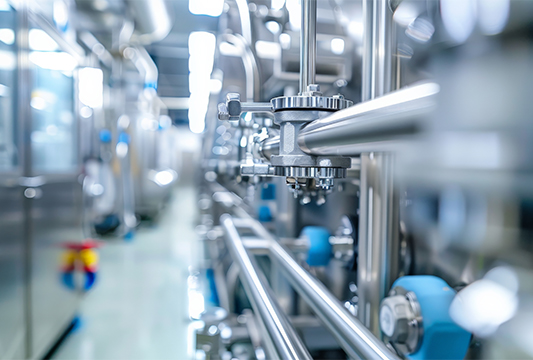
Operators no longer need manual adjustments. The system self-regulates based on live data. This isn’t just an upgrade – it’s a complete transformation of water management.
Core Functions and Technical Advantages of Smart Water Treatment Control System?
Many plants still rely on guesswork. Equipment failures cause unexpected shutdowns. Smart systems prevent these problems before they happen.
These systems provide 24/7 monitoring with predictive maintenance alerts, automatic chemical balancing, flow optimization, and remote configuration – delivering 99.8% uptime while cutting maintenance costs by 40%.
Advanced features include:
Adaptive Chemical Dosing
Technology Benefit Real-time turbidity sensors Reduces chemical overuse by 22% AI-powered predictive models Maintains perfect pH balance automatically Predictive Maintenance
- Vibration analysis detects pump wear early
- Pipe pressure monitoring prevents leaks
Cloud Integration
- Centralized control from any device
- Automated compliance reporting
Wide Application Scenarios of Smart Water Treatment Control System in Industrial & Municipal Fields?
Cities face aging infrastructure. Factories deal with strict regulations. Both need solutions that work at scale.
From semiconductor plants requiring ultra-pure water to municipal plants serving 500,000 residents, smart systems maintain perfect water parameters while lowering energy usage by 30% compared to conventional setups.
Proven implementations:
Power Plants
- Prevents boiler scale buildup
- Reclaims 90% of cooling tower blowdown
Municipal Water
- Detects pipe leaks within 15 minutes
- Adjusts chlorine levels neighborhood-by-neighborhood
Food & Beverage
- Maintains consistent water purity for production
- Reduces wastewater disposal costs
Key Factors to Consider When Deploying a Reliable Smart Water Treatment Control System?
Choosing wrong technology wastes millions. Incompatible systems create headaches. Proper planning prevents these issues.
Focus on modular design for future expansion, vendor cybersecurity certifications, and local service support – the three pillars that ensure long-term system reliability and ROI.
Critical evaluation checklist:
Compatibility
- SCADA/PLC integration capabilities
- Existing sensor retrofit options
Vendor Qualifications
- Minimum 10 reference projects in your industry
- ISO 27001 data security compliance
Total Cost Analysis
Cost Factor Smart System Savings Labor 60% reduction Chemicals 25-40% savings Energy 30% less consumption
Conclusion
Smart modular water treatment system optimizes treatment processes through automation, cutting costs while improving reliability across industries and municipalities worldwide.


